The importance of fish in the diet. Safer meals with blast chilling
Published on 22/10/2012
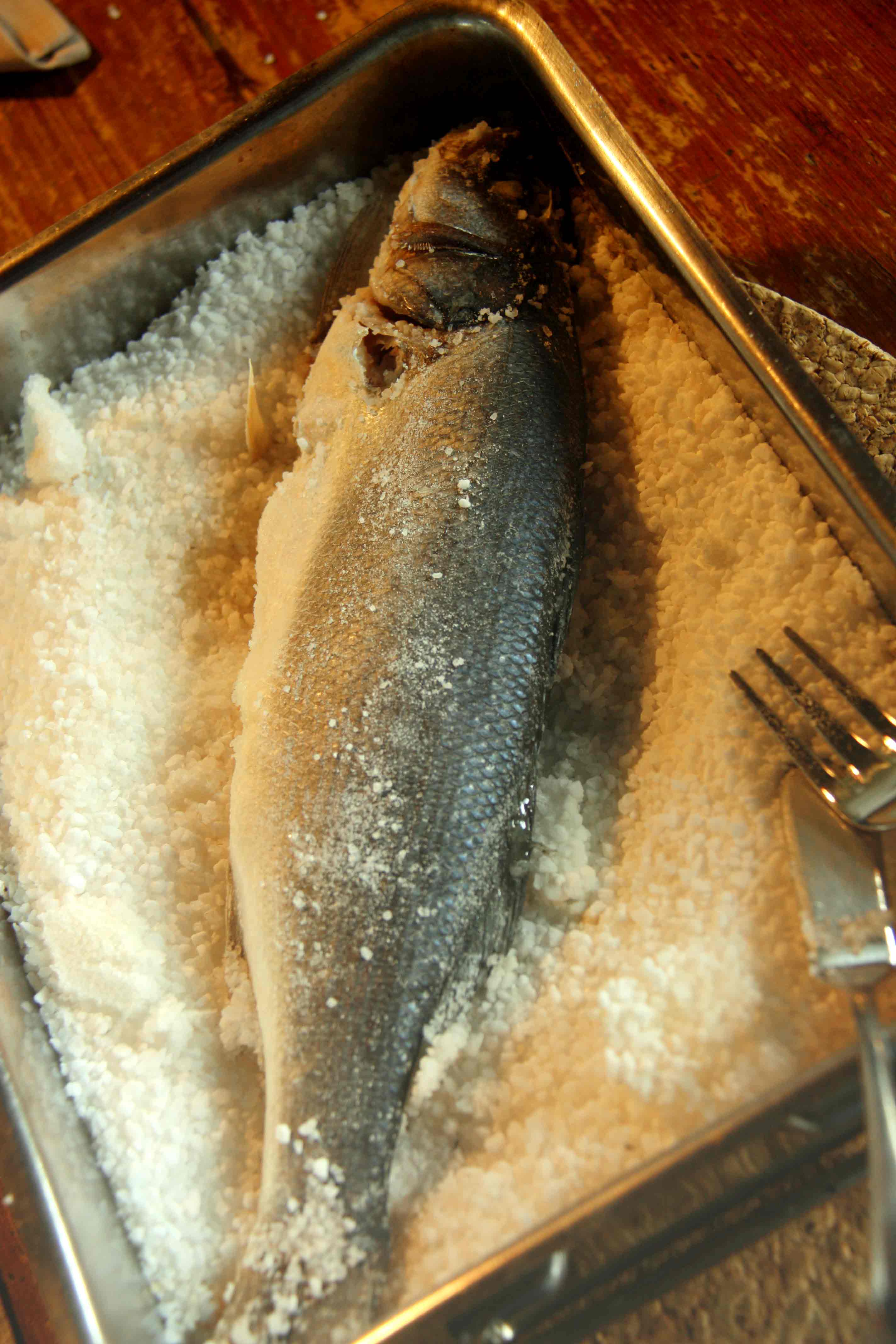 Fish should be eaten at least 2-3 times a week as part of a balanced diet.
It is in fact a food rich in proteins of high biological value, mineral salts, vitamins and polyunsaturated fats (including omega-3s), which fight cholesterol and are good for the health of the arteries and therefore for circulation. Iodine, fluorine and selenium, meanwhile, are a boon for brain cells and memory. Finally, fish is rich in mineral salts such as selenium, phosphorus, iodine and fluorine, which play an important role in regulating the circulatory, nervous and muscular systems. The vitamin content is also noteworthy: in particular vitamin A and the B vitamins. Molluscs and crustaceans, finally, while lower in protein than fish, have a fair content of zinc, magnesium and iron: the latter is found above all in mussels, clams and oysters.
Lean, easily digestible fish
If you want to keep things light, the most suitable fish are hake, gilthead bream, skate, freshwater prawn and octopus, which contain less than 1% fat. These are followed by sole, sea bass, trout, smooth-hound, turbot, squid, cuttlefish, mussels and clams, with a fat percentage of between 1 and 3%.
Among the fish with a higher fat content (between 3 and 10%) we find red mullet, salmon, sardines, dentex, tuna and swordfish. Herring, eel and mackerel are the fish species richest in fat, with a percentage exceeding 10%.
The most digestible fish are in particular hake, sole, skate, sea bass, trout, dentex, gilthead bream, white bream and grouper. Among the tastiest but at the same time less easily digestible fish, we find eel, octopus, herring, cuttlefish, mackerel and squid.
Raw fish and Anisakis
Eating raw fish is not a very widespread practice in Italian culture, but it is growing strongly, thanks in part to the ever-increasing popularity of Japanese cuisine. It is a practice that certainly carries a higher risk of poisoning and infections caused by pathogenic bacteria, or of infections by parasites.
Many microorganisms can contaminate fish, such as Opisthorchis, Listeria, Escherichiacoli, Salmonella, all bacteria that cause gastrointestinal problems (an issue that concerns not only raw fish, but also other foods such as meat, raw milk and dairy products). Rarely, and only in particularly vulnerable individuals such as children and the elderly, can these infections be life-threatening.
But the greatest risk for those who eat raw fish is Anisakis, an intestinal parasite present in numerous marine mammals (dolphins, seals, etc.) and an intermediate host, in its larval stage, of many fish including tuna, salmon, sardine, anchovy, cod, hake and mackerel. Anisakis is extremely widespread, as it is present in more than 85% of herring, 80% of red mullet and 70% of cod. These nematodes migrate from the fish's viscera to its flesh if, once caught, it is not promptly gutted. When humans eat infected fish that is raw, not fully cooked or brined, the larvae can implant themselves in the wall of the gastrointestinal tract, from the stomach to the colon. To defend themselves against gastric juices, they attack the mucous membranes with great perforating capacity, causing acute or chronic parasitosis.
A 1992 circular from the Ministry of Health, still in force, requires anyone serving raw or brined fish (lemon and vinegar have no effect on the parasite) to use frozen fish or to pre-freeze fresh fish to be served raw. In fact, Anisakis and its larvae die when subjected to a temperature of at least 60°C (cooking), or after 24 hours at -20°C (blast chilling).
To avoid contamination, a few precautions are necessary: always make sure that in the restaurant where you eat raw or marinated fish it has been subjected beforehand to adequate thermal treatment; when eating raw fish at home, buy it fresh and freeze it for at least a week in the freezer at -18°C (fish that has been promptly gutted, such as farmed salmon, is safer than fish sold with its viscera); pay particular attention to the species most at risk, such as mackerel, sardines, tuna and oily fish in general.
Blast chilling
Rapid blast chilling is the best natural system for improving and extending the shelf-life of fish and of foods in general. If the freezing process is carried out quickly, sensory and nutritional qualities close to those of the fresh food are maintained. The blast chiller, thanks to a powerful refrigeration system with air at -40°C, makes it possible to reach a temperature of -20°C at the core of the product in less than 240 minutes, thus keeping the organoleptic qualities of the food intact. After the product is thawed, at a controlled temperature of +3°C in the refrigerator, there will be no loss of liquids, texture or flavour.
On the subject of blast chilling and the safety issues related to eating raw fish, Italia a Tavola organised a conference in Milan in April 2011 with some of the most important experts in the field.