Raw fish in restaurants must be “sanitized”
Published on 22/10/2012
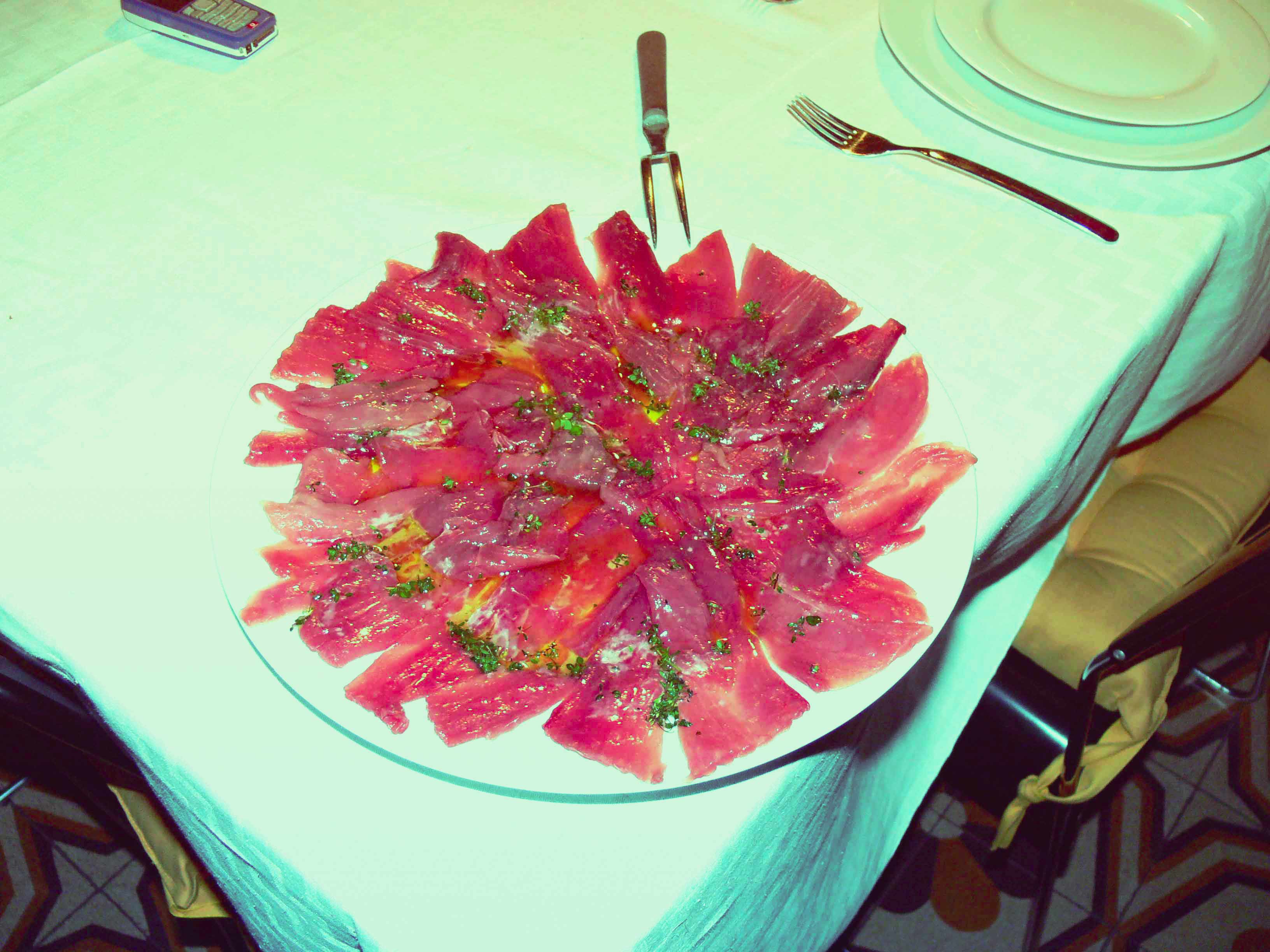 Eating raw fish in restaurants could be dangerous, especially oily fish, but with the correct use of a blast chiller (bringing the fresh product to -20°C for 24 hours), sushi or carpaccio can be eaten without worry. The foundations must be reliable traceability and correct procedures for “sanitizing” the fresh product (including notifying the local health authority of the correct use of the blast chiller and stating it on the menu...).
These are the findings that emerged from the conference on raw fish promoted by “Italia a Tavola” and the Consorzio cuochi e ristoratori di Lombardia, chaired by Matteo Scibilia. The first initiative of this scale at national level, if only for the calibre of the experts who engaged with industry professionals, was held at the Capac Politecnico del Commercio in Milan (the most important training and professional development institution in the sector in Italy) to raise restaurateurs' awareness of the serious problems (ranging from financial penalties to criminal proceedings) linked to raw fish, today at the centre of a genuine emergency due to the possible presence of parasites (from Anisakis to Opisthorchis, see fact sheets) that are dangerous to humans.
This is an effort that also requires cultural growth and greater awareness on the part of consumers, towards whom the Ministry of Health or the Government should direct dedicated information campaigns to flag the risk posed by raw fish that has not been sanitized, thereby making the efforts of serious restaurateurs to tackle the emergency effective and worthwhile. The theme of responsibility was particularly emphasized by Alfredo Zini and Aldo Maria Cursano (see separate report), who highlighted Fipe's initiatives at national level to find solutions that respect both the law and the interests of serious establishments which, in any case, must do their part, also to set themselves apart from the too many improvised and at times non-compliant operators who, rightly, should be subject to closer scrutiny by the Nas. Add to this the fact that in a city like Milan 30% of the restaurant trade is run by non-EU operators with eating habits and “production methods” different from ours, and it is easy to understand why vigilance must remain high.
For his part, Bergamo native Giovanni Cacciolo, owner of Orobica Pesca, one of the most highly regarded seafood distribution companies in Italy, spoke of the management costs facing companies forced to cope with the economic slowdown, of the inadequacy of controls on improvised distributors or those lacking proper food hygiene and safety procedures, and called for an upcoming meeting with Health Minister Fazio to clarify some points that remain unclear.