Europe starts eating insects. First steps in France
Published on 29/11/2013
 A good share of the culinary experimentation of the last hundred years has passed through France, and the dietary use of insects seems to be no exception in the one culture, the European one, that until yesterday rejected them.
That insects could represent a solution to the problem of how to feed a world population expected to exceed 9 billion people by 2050 is something the FAO has said and repeated since 2008.
Here at Nutricity we have told you that the problem appears to be mainly a "cultural" one, given that more than 2 billion people around the world eat insects today (see here) .
Until now, the prospect of eating what we mostly regard as "pests" still seemed remote. There have been a few sporadic cases, which we have mentioned, but they were always provocations, playful and tongue-in-cheek (like the "grasshoppers against the crisis" banquet at the village festival in Nanto, Vicenza last summer) that gave no hint of large-scale commercial use.
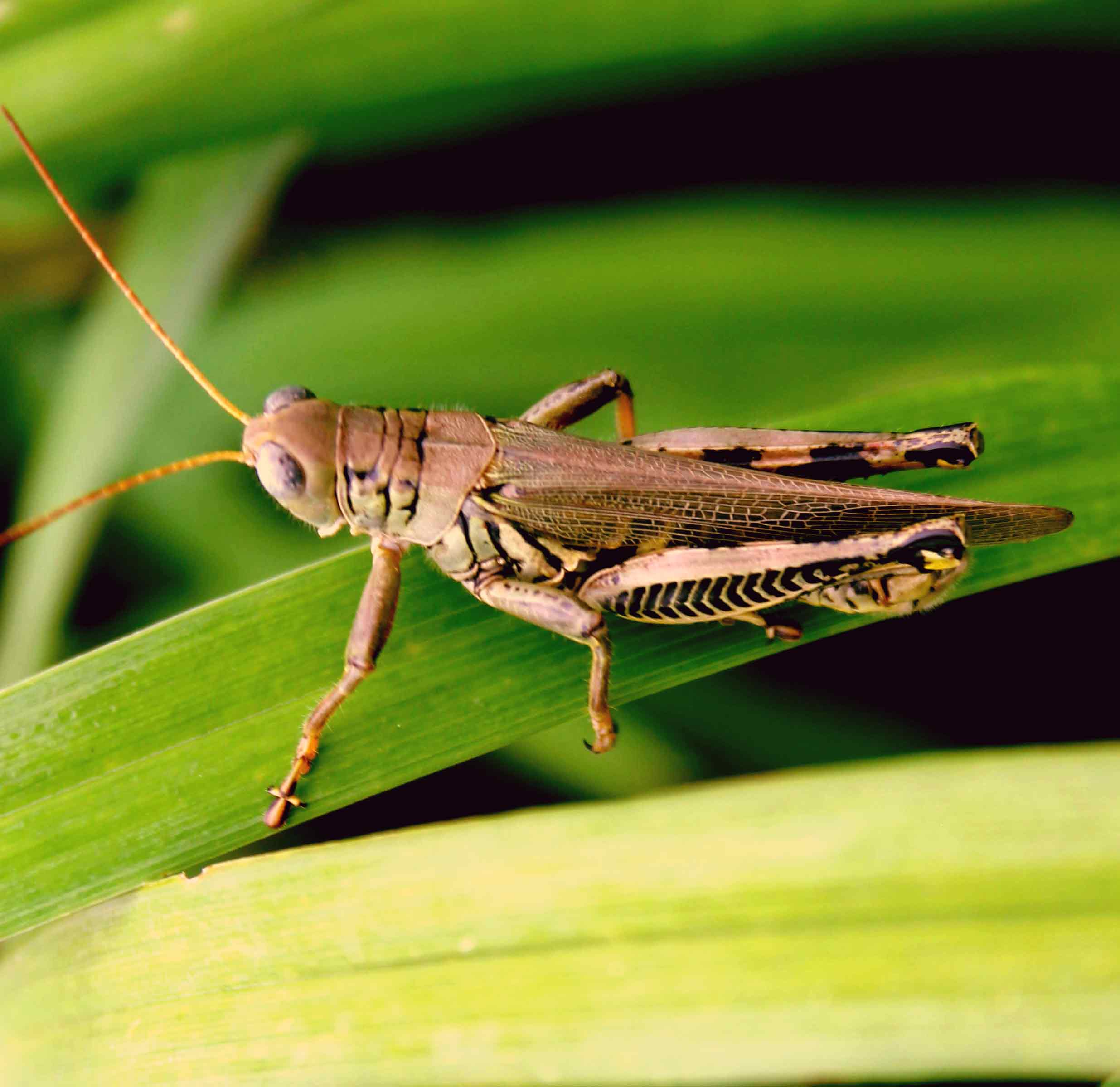
The French, however, seem to have taken it seriously, wasting no time in launching e-commerce distribution of assorted insect selections crickeat.comin elegant "potato chip"-style packaging but with a far more metro-chic look and a decidedly enthusiast-level price: from a minimum of 7 euros for an elegant bag of spiced grasshoppers (about 50, equivalent to 17g) up to 170 euros for a 300g pack of the purest "bamboo worms".
Micronutris is another company that has instead specialised in farming grasshoppers and mealworms, which are not sold on their own but combined within confectionery products and snacks that are an integral part of European eating habits and food traditions.
This is not just a web-sales experiment, because the two brands are also distributed through the Auchan and Carrefour networks respectively. Commercial success does not appear to have been lacking, to the point that the two French retail giants have decided to expand the sale of the two products.
Alongside large-scale retail, the news also reports more artisanal experiments such as that of the small Parisian bistro Festin Nu (named after the well-known film Naked Lunch), run by a young chef who came to entomophagy from political science, which seems to be enjoying a certain success in the 18th arrondissement (Montmartre), where it offers affordably priced aperitifs based on insects and spiced sauces.
From a strictly nutritional point of view, most insects represent an extremely nutritious and perfectly balanced food. Insects are in fact characterised by protein levels very close to those of beef, but with a better fat quality due to the presence, often fairly significant, of monounsaturated or polyunsaturated fats.
The FAO and the economic and sociological studies on entomophagy seemed to state that the goal of the campaigns rolled out since 2008 was to ensure the preservation of a traditional dietary model for over 50% of the planet, and one sustainable for the environment.
The commercialisation experiments that the French, undisputed food experimenters, are carrying out seem however to contradict the intentions of the United Nations international agencies, demonstrating that the market certainly does not need rules and publicity when operators are able to grow supply and demand together.
There seems to be no European legal harmonisation on the dietary use of insects to be expected. The FAO has already carried out an important part of the work by cataloguing countless species, for which characteristics and nutritional values are indicated in fairly detailed fashion.
Farming them is rather simple, as well as less impactful from an environmental standpoint than the more traditional farming of mammals for food (cattle, pigs, horses, sheep). The enormous difference in production costs is both imaginable and evident, and within it one must consider the natural physical resilience of insects, immune to the countless diseases of more complex organisms such as mammals, with clear advantages expected from a regulatory standpoint as well in terms of food safety.