We will eat insects. That's how world hunger gets beaten
Published on 15/5/2013
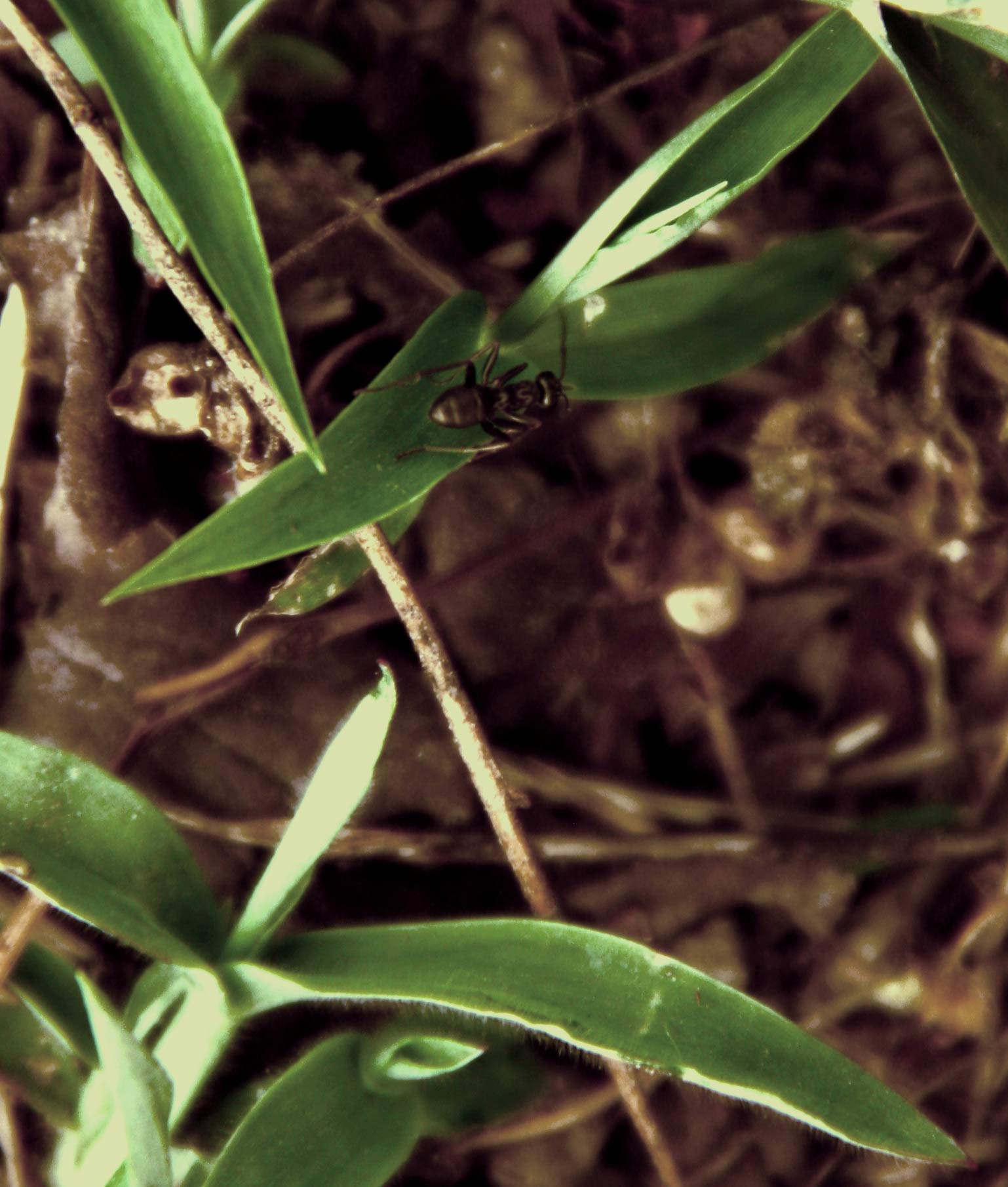 Eating insects to fight world hunger and the excessive depletion of soils. It can be done, and the "scandalous proposal" comes from the UN, which considers insects an untapped food source capable of contributing significantly to the reduction of world hunger.
There are in fact more than 1,900 edible species of insects, and today roughly 2 billion people on the planet regularly consume them.
According to the UN, and in particular the FAO, the world's food and agriculture organization, this is a practically zero-cost source of nutrients otherwise out of reach for much of the planet. Insects are rich in high-quality proteins and, above all, fatty acids, making them an excellent nutritional alternative to meat and fish. Not to be underestimated, either, is the product's water and environmental footprint, which has a virtually zero impact on the planet, unlike intensive animal farming.
While in the Western culinary tradition the use of insects is not even conceptually contemplated, it is worth remembering that in countries where insects at the table are customary, Western-style food models involving the use of insects are spreading, such as "take-aways" where, instead of chicken wings, you can find fried grasshoppers, as well as various types of caterpillars.