Will eating insects really change the world?
Published on 27/6/2013
 We come across articles, essays and reflections ever more frequently that aim to solve the tragedy of world hunger by spreading the dietary use of insects, more properly known as "entomophagy".
We too have recently relayed several news items on the subject, because there is no doubt that the issue has strong economic and political implications that cannot be dismissed as mere human-interest stories.
The commitment against world hunger undertaken at the highest level by the United Nations through the Millennium Goals has been heavily slowed first by the global fight against terrorism and then by the economic crisis that erupted in 2007.
The problem that goes by the name of Food Security, that is, the capacity to feed a population growing in both numbers and dietary needs, therefore remains looming and indeed tends to swell in the face of the 9 billion "places at the table" expected by New Year's Day 2050.
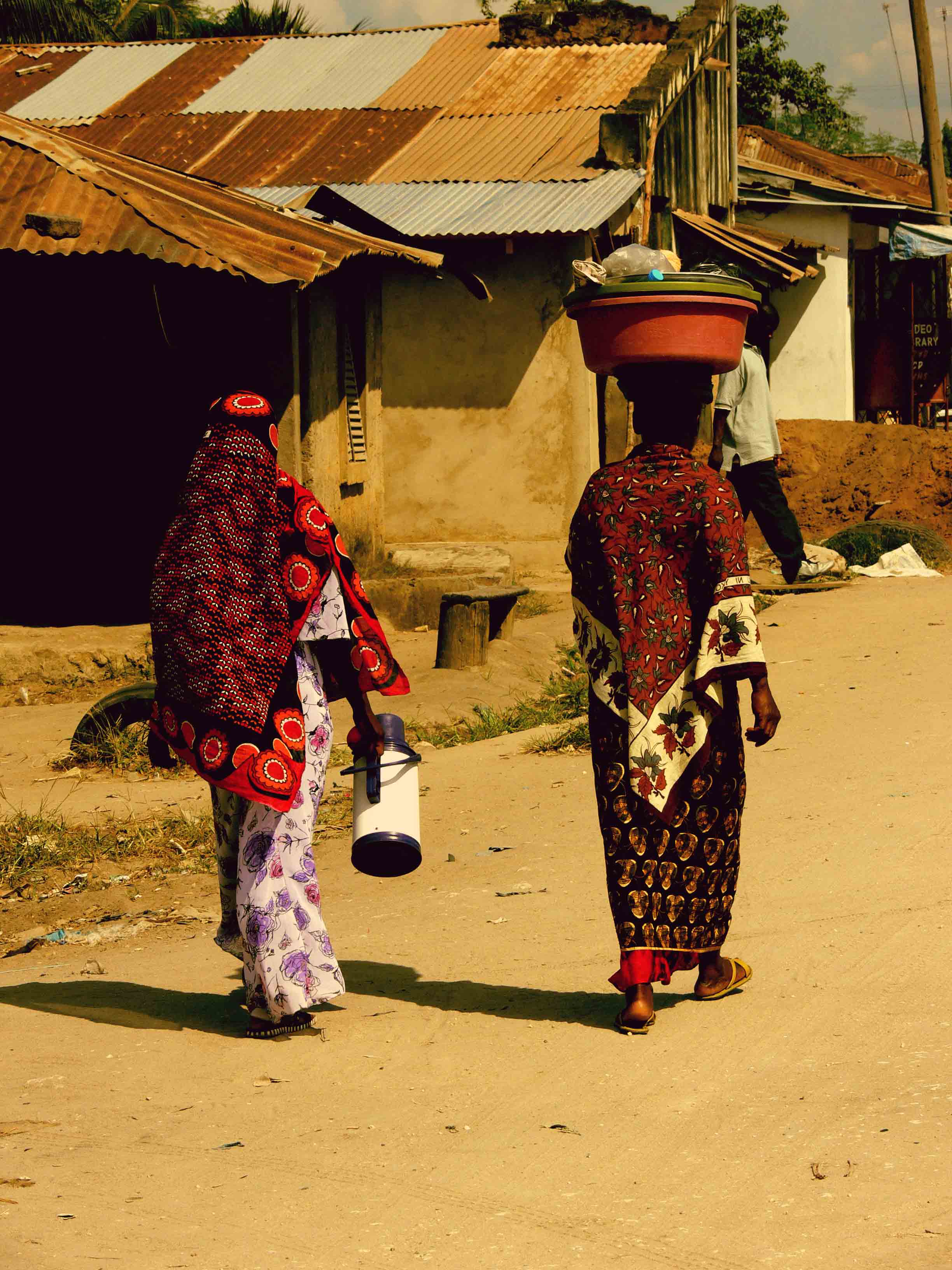
The problems on the table of the global political agenda show how technology has failed to break the Malthusian bind between demographic pressure and the finiteness of resources.
The economic and redistributive policy recipes applied so far have proved ineffective at best, revealing how the logic of a "fairer distribution of resources" is not enough to overcome the constraint of their non-expandability.
In this respect, the approach in favour of entomophagy as a dietary model capable of responding to the problem of world hunger looks like a genuine experiment in lateral thinking, where the order of the problem has been shifted onto the deeper question: how to break the vicious circle between population growth and the finiteness of resources.
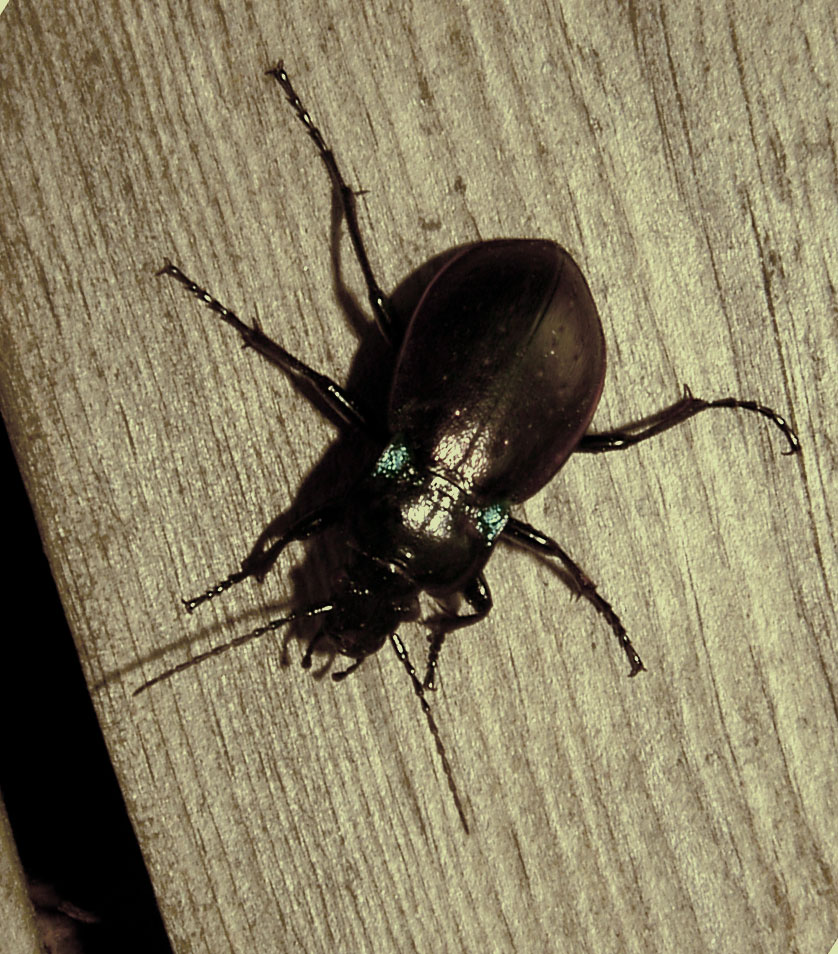
Among the classes of living beings, insects represent a superabundant multitude in terms of species and varieties — more than 1,900 varieties are considered edible — and they are characterised by usually extremely rapid reproduction times and a very high adaptability to environmental conditions.
It must be said that in most Western countries entomophagy is viewed with disgust, and even the mere thought of eating insects causes unease. Entomophagy is in fact considered a "primitive" eating behaviour at odds with the concept of "civilised" eating, which conceptually and culturally excludes insects and companion animals from dietary use.
Insects good to eat, photographed by National Geographic
The gathering of insects is associated with "hunter-gatherer" human communities and therefore with one of the earliest forms of food acquisition. The advent of agriculture gradually meant that insects were seen less and less as a potential meal and more and more as pests, more or less dangerous to crops.
We are talking about factors we can classify as cultural. It is indeed culture which, under the influence of environment, history, community structure, mobility and the political-economic system, dictates the rules of what is edible or not: ultimately, the acceptance or rejection of entomophagy is simply a matter of culture.
Edible insects are extremely numerous (they can be found on the FAO website, Edible Insects) and their nutritional characteristics vary considerably from one species to another but, combined with the traditional foods of different regions, they can improve the quality of the diet of many populations.
Insects are in fact characterised by protein levels very close to those of beef, but with a better quality of fats thanks to the presence, often fairly significant, of mono- or polyunsaturated fats.
Despite miracle-cure interpretations of entomophagy, at this moment the crux of the matter is not so much convincing Westerners to eat insects as working to ensure that the traditional practices of consuming edible insects do not disappear — where they represent an established tradition — in the face of the Westernisation of diets.
The territories, communities and cultures that maintain their traditional food system are better able to preserve local food specialities along with a corresponding variety of crops and animal breeds. Various lines of evidence also seem to show, in relation to the preservation of traditional eating habits, a lower prevalence of diet-related diseases.
National Geographic invites people to submit on its website the insect recipes that each of us has in mind or has come across along the way. And this is how we discover that in Mexico "stink bugs" are used to make sauces that enrich dishes such as stews and roasts, following a tradition as old as that of the "worm in the tequila". Or fried grasshoppers, whose flavour is said to recall that of fried fish, according to the sensory descriptions of tasters.
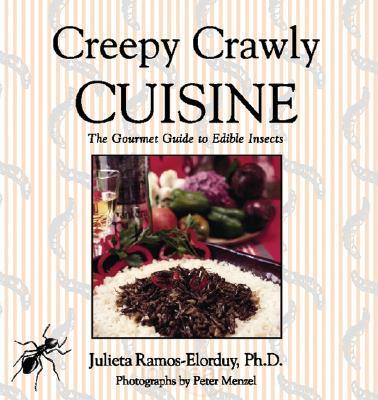
Cookbooks dedicated to an insect-eating diet began to appear on the market more than 10 years ago, but only recently have they multiplied in number and eccentricity: having started out almost as anthropological essays, today they present a vast panorama of recipes born of the most fashionable food models and trends, such as "stink bug pizza".
A historic English newspaper like the Telegraph, on the subject of cookbooks for entomophagists, recently published a photo gallery dedicated to a Japanese sushi bar (Shoici Uchiyama) that has reinterpreted the Japanese sushi tradition by replacing fish with the enormous variety of insects available in Asia.
It is certainly too early to say whether the phenomenon we are witnessing can be labelled a simple "culinary trend" produced by a few visionary or commercially motivated "trend setters", or whether we are witnessing the first signs of what could soon turn out to be a major dietary transition.
Today the dietary use of insects is the norm in some fifty countries around the world, mainly spread across Africa, South America and East Asia: in a good part of these countries, entomophagy faces competition from fast-food outlets offering food that is apparently more "glamorous" and certainly higher in calories, at competitive prices. The action being taken by the FAO aims to prevent nutritional-cultural models such as those involving entomophagy from disappearing for good, producing unhealthy eating behaviours with potential damage to health on a social scale.