Food allergies and product labelling
Published on 14/3/2013
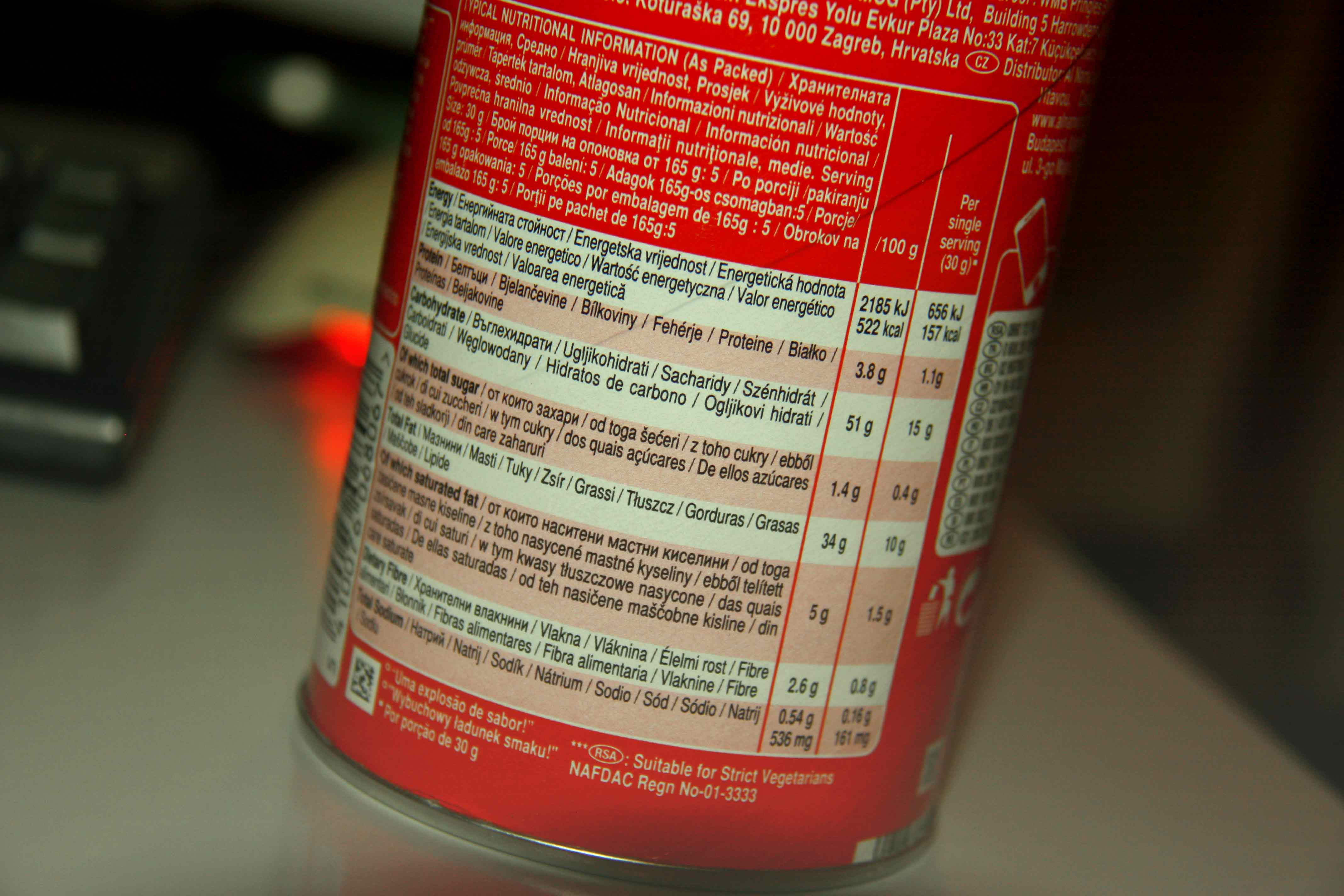 Food allergies are on the rise, but product labels do not seem to be moving in the direction of providing consumers with useful information on this front.
More than 2 million Italians suffer from food allergies in some form, and the causes are certainly numerous and not easily deciphered. Among the main culprits are surely improved hygiene conditions and therefore less contact with bacterial loads, but also fewer and fewer children being breastfed by their mothers and, finally, changes in eating behaviour, with ever greater consumption of foreign, exotic and curious foods.
The sore point therefore remains food product labels, accused of providing no useful information to allergic consumers. An intense debate has developed on the subject in recent years, which at European level found a response in the food allergy campaign launched by the European Academy of Allergy and Clinical Immunology itself, calling for the creation of food labels that are finally clear on the matter of allergies.
Some concrete steps have already been taken: since 2003, EU legislation has exempted from the labelling requirement only those ingredients present in percentages below 2% of a product's total composition, and even then only provided they are not substances the medical-scientific community recognises as commonly known allergens, which must be indicated regardless.