Food allergies: a blow to the Mediterranean diet
Published on 28/10/2013
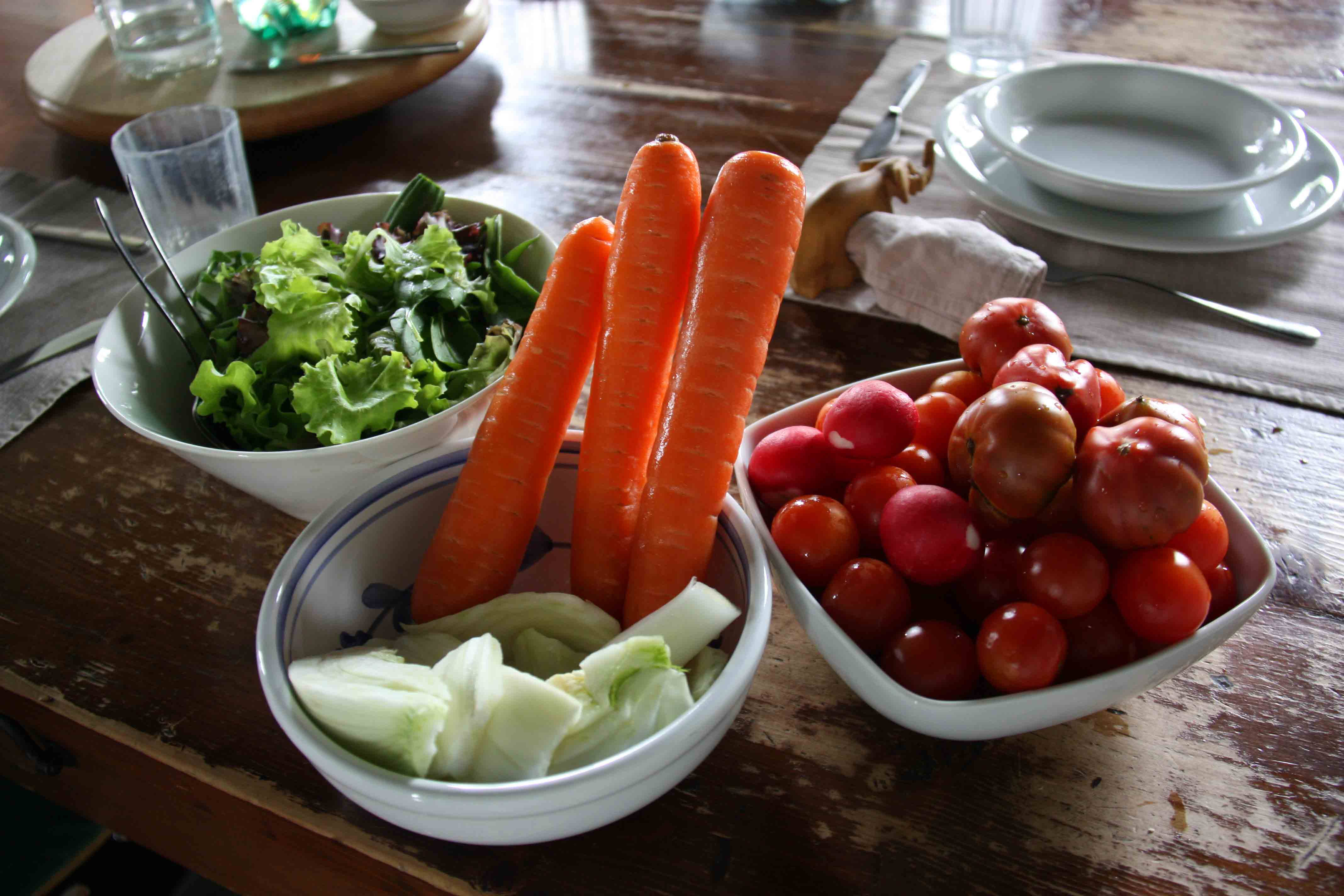
Fruit and vegetables at the top of the list of the most common food allergies.
This seems to be precisely the result highlighted by the research carried out by AAITO, the Association of Territorial and Hospital Allergologists-Immunologists, on a sample of 25,000 adult patients spread across 10 regions.
The data from this survey, presented at the AAITO congress convened in Ancona, showed that fruit and vegetables are indeed the most widespread food allergies (72%), followed by shellfish (13%), while allergies to fish would account for only 4% and those to dairy products 3%, as for eggs, and finally only 2% for cereals.
AAITO denounces the excessive disinformation on the matter, where 60% of patients follow incorrect treatments. The greatest problem would appear to be self-diagnosis, often mistaken and frequently disproved by the diagnosis of experts. Many people who believe they are allergic or intolerant to a food treat themselves with a "home-made" diet that risks causing disorders even greater than the presumed intolerance, especially in children and the elderly.
AAITO also denounces the information present on the web that has no scientific basis. "The role of specialists is essential: if one wishes to save money, it is necessary to rely on scientifically validated diagnostic tests carried out by experts in the field".
The Mediterranean Diet dietary model risks being heavily affected. On the one hand, in fact, uncooked fish is at the root of allergic reactions for many fish lovers. Above all marinated anchovies, a typical dish of the Mediterranean regions, which can cause various forms of urticaria.
But perhaps even more critical for the Mediterranean Diet model is the spread of allergies to fruit and vegetables, for which a protein called LTP (Lipid Transfer Protein) is held responsible, widely present in peaches, apricots, plums, as well as in much dried fruit (walnuts, hazelnuts, peanuts) and cereals (maize, rice).
The incidence of the allergen would then seem to be more significant in the southern, and therefore Mediterranean, regions.
This allergen, once ingested, could even cause anaphylactic shock. In fact, according to a study concerning the Marche region, in over 5,000 cases of anaphylactic shock, 40% of patients were affected precisely by an allergic reaction to LTP.
The Federation of Italian Societies of Allergology and Clinical Immunology stresses the importance of reaching an Italian "Consensus" on aspects more closely related to clinical reality, to regulatory aspects, to the managerial/organisational contexts in which this therapy is practised, to the issues of reimbursements for which there is a complete disparity across the various regions, and in order to undertake appropriate innovative actions for the dissemination and knowledge of the therapies. Correct information to the patient is in fact an indispensable element.