A decisive step by the EU on the origin labeling of products
Published on 15/10/2012
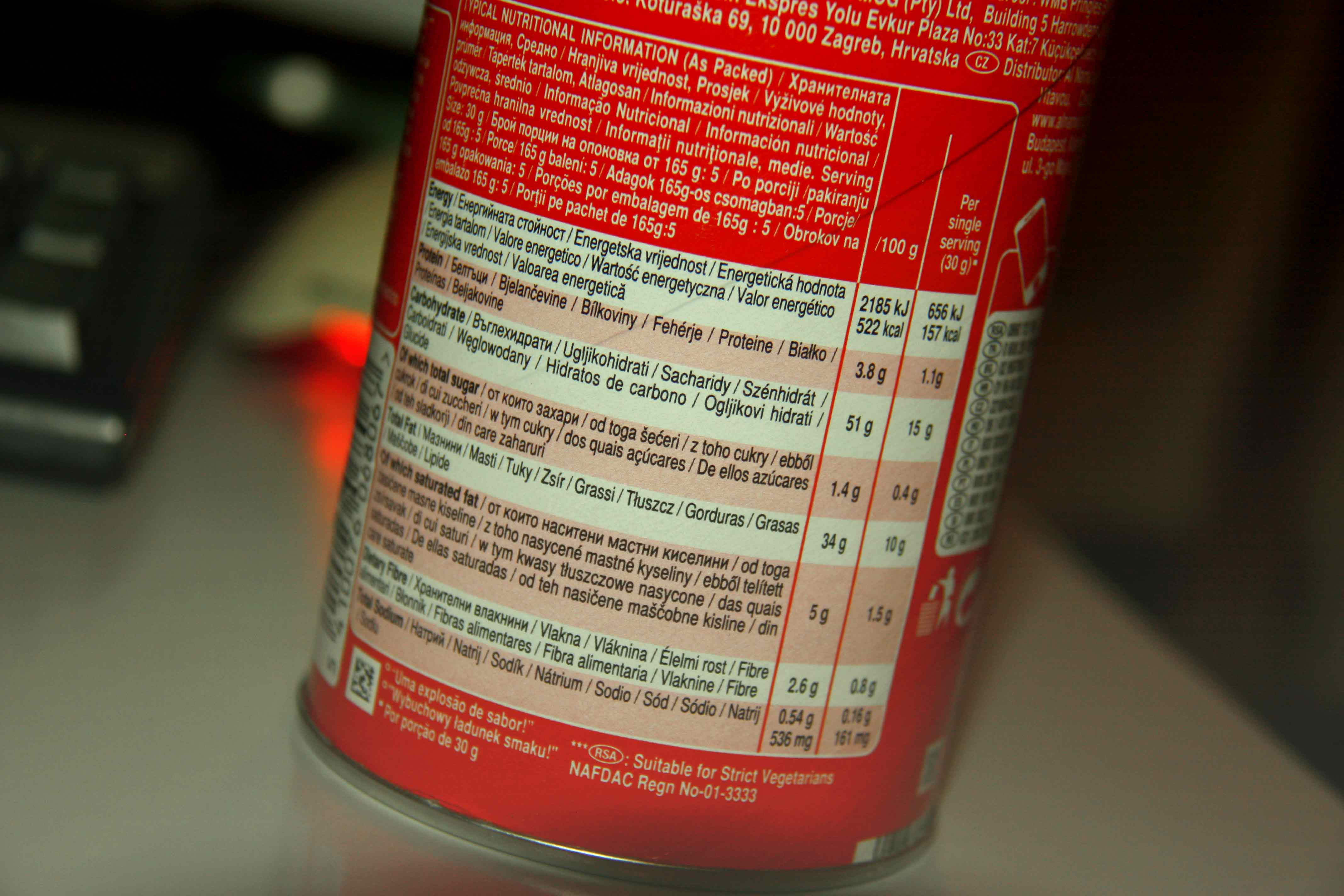
A step forward in protecting consumers' rights and in defending the work of the agricultural producer.
From now on, consumers will make informed choices when purchasing food products, thanks to a more transparent, clear and legible label.
This is stated by Cia-Confederazione italiana agricoltori, expressing satisfaction at the definitive green light given by the EU Competitiveness Council to the new regulation on the labeling of food products, which extends the obligation to indicate origin to pork, poultry and sheep/goat meat as well, as already happens for beef, honey, olive oil, fresh fruit and vegetables.
According to Cia, this is a choice that goes in the direction indicated by our country, which had already passed a law on the matter in Parliament.
The position expressed by Italy seems to have made inroads with the EU Commission, which has already announced that, in the near future, country-of-origin labeling could be extended to other food categories as well: meat used as an ingredient, or milk. But first, impact assessments will have to be carried out within two years of the entry into force of the new regulation, precisely in order to verify the feasibility and the potential costs that such labeling obligations would entail.
The new regulation—the fruit of a compromise on the labeling of food products, following its approval at second reading by the European Parliament—will enter into force twenty days after its publication in the Official Journal of the EU, scheduled for the end of November. Most of the new rules concerning labeling will become mandatory in three years, while the "nutritional declaration" will be mandatory within a maximum of five years. Under the new provisions, the mandatory "nutritional declaration" will state the energy content and the percentages of fats, saturated fats, carbohydrates, sugars, proteins and salt, in an understandable table on the packaging. All the information will have to be expressed per 100 g or per 100 ml and may also, in addition, be expressed per portion.
Alcoholic beverages, including "alcopops", are exempt from the obligation to provide nutritional information on labels. Within three years of the entry into force of the regulation, the Commission—Cia concludes—will assess whether it is appropriate to make the indication of certain nutritional information mandatory on the labels of these products, and then present an ad hoc legislative proposal.