Olive oil, strength in unity
Published on 14/10/2012
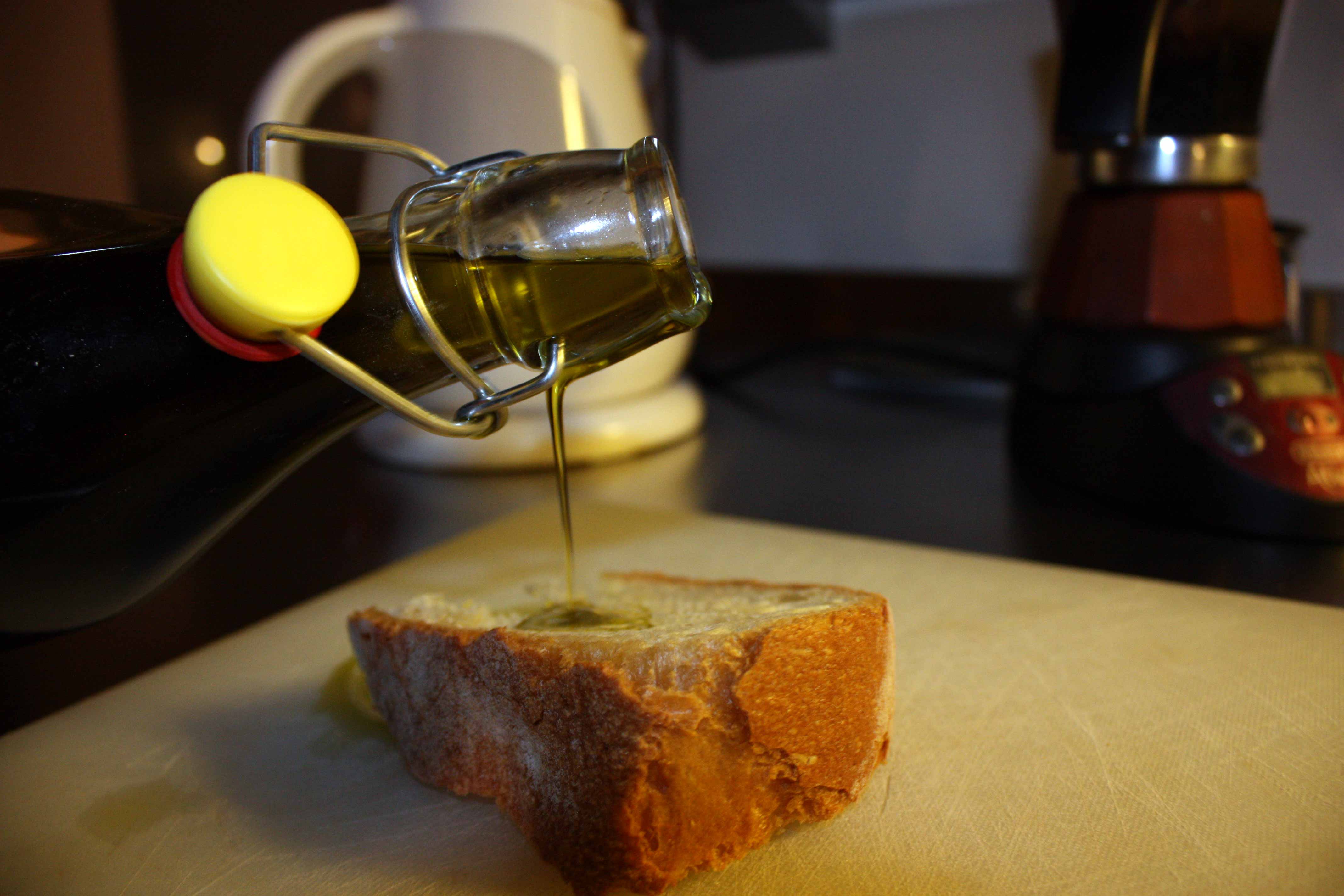
New measures from the European Union for the world of olive oil: the action provides for a strengthening of the system of controls and penalties.
On the quality front, the direction is the one Italy had hoped for, namely an improvement in the mandatory quality parameters for the marketing and authenticity of virgin olive oils. In particular, the aim is to speed up the dossiers on the analytical parameters (stigmastadienes, alkyl esters, determination of diglycerides and triglycerides) that serve to guarantee the authenticity and genuineness of the product and that reveal any manipulation or counterfeiting in virgin olive oils.
The importance of labelling was stressed: there is a call to introduce a larger font size and to achieve greater visibility for mandatory information, first and foremost the origin.
On the supply-chain front, the action instead provides for the strengthening of producer organisations, and new measures to this end will be examined under both the first and second pillars.
As for promotion: the goal is to strengthen promotional activity, making it more incisive, attractive and effective. In this context, provision may be made for mentioning the national origin alongside the EU one.
Significant space will be reserved for rural development actions in the new programming period. Olive-sector sub-programmes will be possible, contributing to the achievement of structural priorities as well as agri-environmental objectives, together with investments in the processing, marketing and development of agricultural products.
In the words of Minister Mario Catania: “I am fully satisfied with the outcome of this meeting, which has made it possible to establish a common strategy for the entire olive-oil sector after a market crisis that has lasted too long. I must above all note that some of the battles our country has always fought, such as origin labelling, quality parameters and the strengthening of controls, are now shared and supported by the Commission. I believe the possibility of drawing on rural development programmes and incentives for aggregating supply is also particularly significant”.