China protects its Traditional Cuisine
Published on 21/6/2013
 The race to protect one's culinary identity has gone global too.
Giampaolo Visetti, in La Repubblica of 13 May, recounts the oddity of a China turning to Unesco to have some of its typical dishes recognised as world heritage of humanity.
We are talking about all those foods sold by street vendors, genuine street food that can boast a thousand-year-old culinary tradition but that today appears threatened by the advance of fast-food.
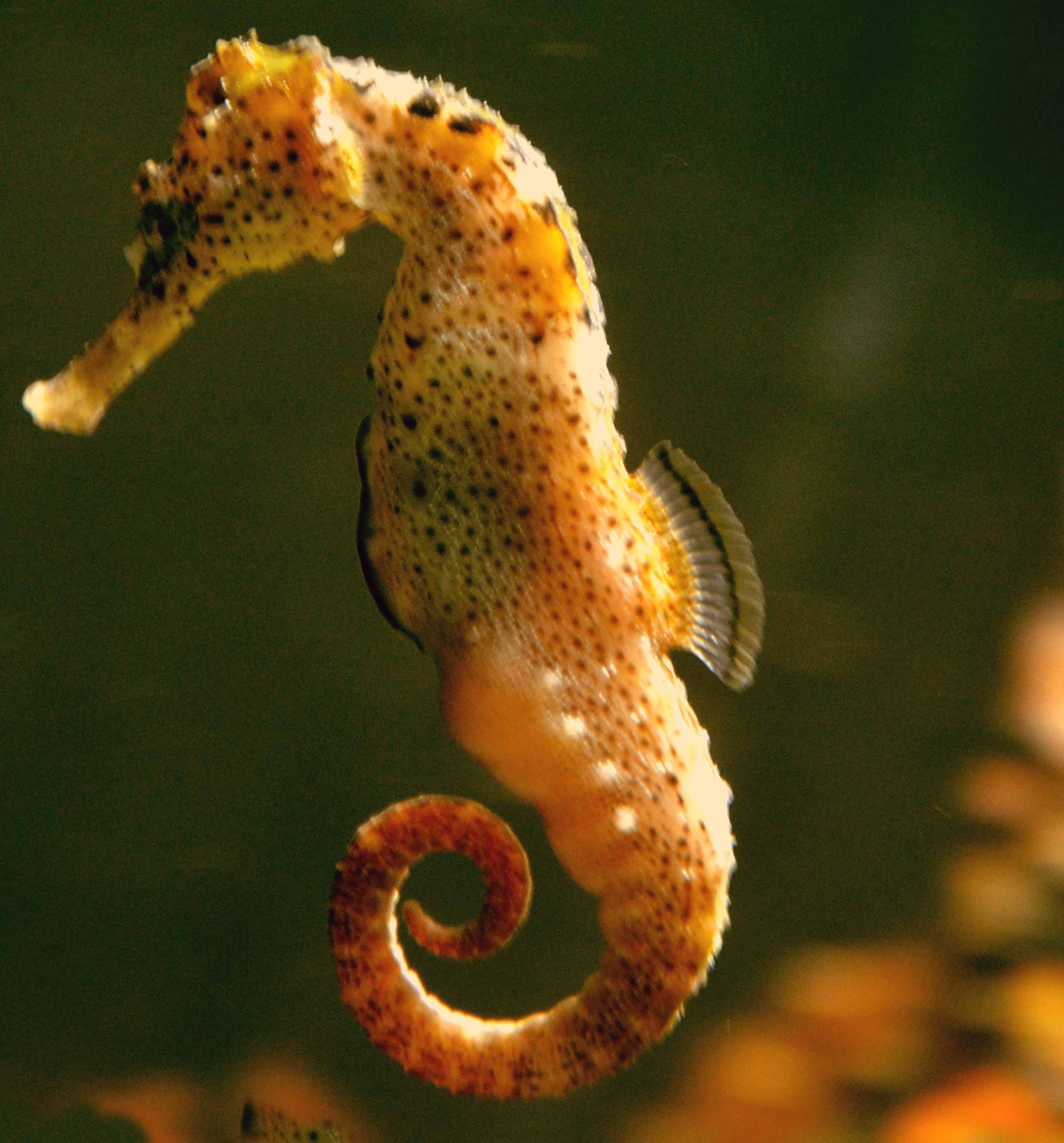
It is a long list that the Beijing Municipal Administration has filed as an application with the Unesco offices: it ranges from the famous stuffed rice sticks to seahorses and scorpions on skewers, by way of marinated silkworms and glazed dog stew.
Not even bats are missing, sold fried at rock-bottom prices as a true delicacy. It is all concentrated mainly in the few hutongs (traditional neighbourhoods of close-packed houses with pagoda roofs) of Beijing, where improvised chefs, having fled the hunger of the countryside or the miseries of provinces abandoned to unregulated economic development, cook the kind of dish that in some cases has represented the nightmare of a single-theme diet, and in other cases was invented on the spot just to sell something.