Italian children eat too little fish
Published on 15/10/2012
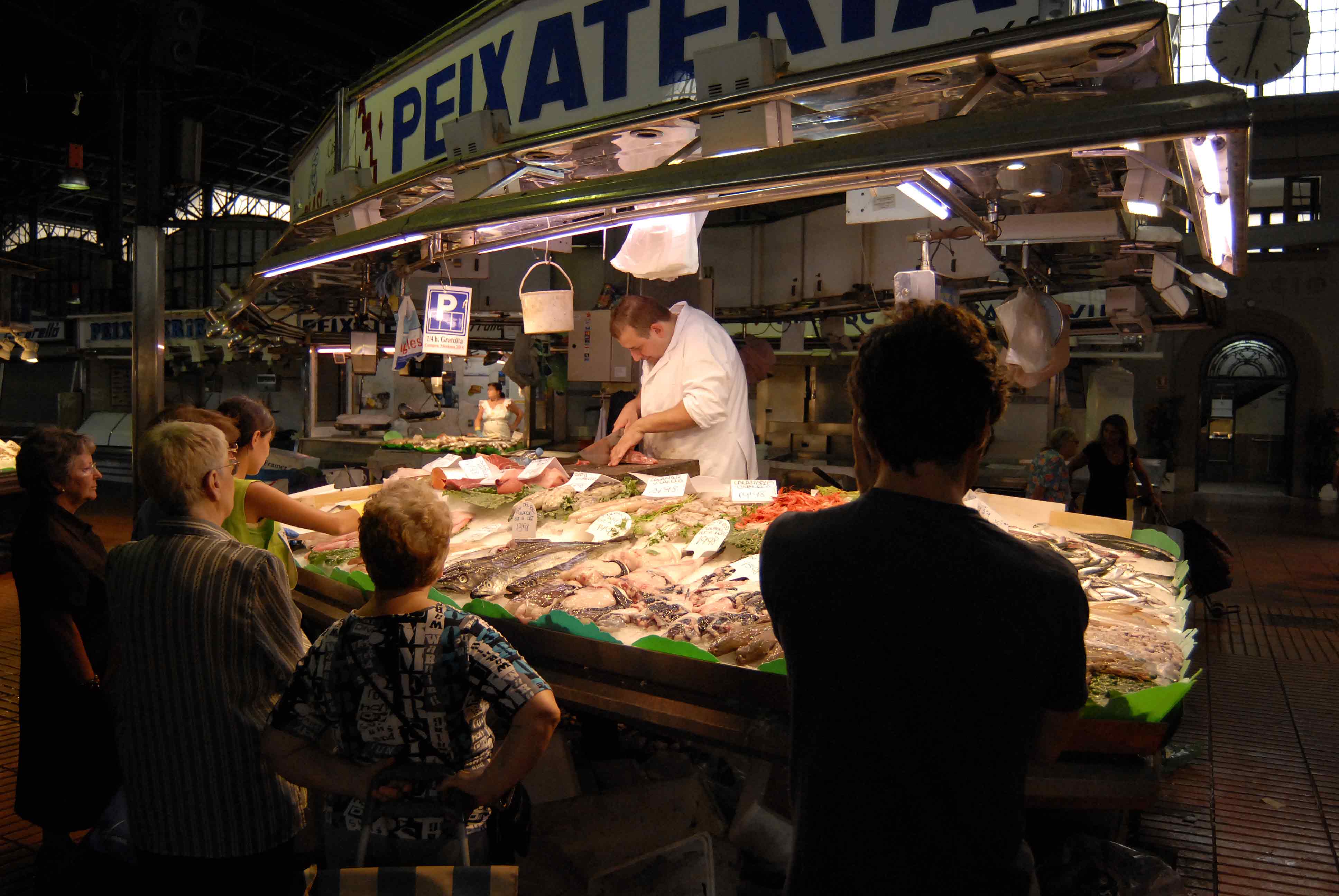 A study by the Osservatorio Nutrizionale Grana Padano, conducted by paediatricians, family doctors, dietitians and other specialists, which examined the eating habits of 1,400 Italian primary-school children aged 6 to 10, reports low fish consumption, along with a limited intake of fruit and vegetables and scarce use of whole-grain foods.
The data emerging from the Osservatorio's research indicate an average of 1.3 portions of fish consumed per week, whereas the guidelines of the SINU (Italian Society of Human Nutrition) recommend 2-3 portions of fish per week for children. The fish shortfall therefore ranges between 35 and 57%: it can thus be said that, on average, fish consumption is about 50% below the amounts considered necessary. Omega-3s are found in fish (especially herring, salmon and mackerel), but also in good quantities in walnuts and legumes. The research also points out that frozen fish retains the same nutritional properties as fresh fish.
The Omega-3 fats contained in fish, and in particular one of them, DHA, help children of all ages cope better with schoolwork because they improve neuronal transmission, that is, the ability of brain cells to connect and transmit information to one another. Not eating enough fish, as the Osservatorio Nutrizionale's study shows, is therefore an "alarm" worth taking into account.
These are figures that should give parents pause, prompting them to try to balance children's diets at home and in school canteens. Indeed, with schools reopening, children will need to start working with the right energy available for the whole morning, but also take in the nutrients that support the functions of the nervous system and the brain, so that, in general, learning, memory and attention can be deployed with maximum effectiveness.
"We can speak of a genuine critical issue regarding children's low fish consumption - observes Dr Michela Barichella, head of the Dietetics and Clinical Nutrition Unit at ICP in Milan - all the more so in a country with 7,000 kilometres of coastline, great fishing traditions, and a wide presence of fishmongers and seafood restaurants across the territory. Clearly these are mistaken eating habits that also stem from parents' behaviour. In the majority of cases, children's fish consumption does not reach the recommended portions. What should be stressed, instead, is the nutritional quality and richness of the nutrients in fish; just think of the importance of the Omega-3 intake, which plays a significant role in brain function and long-term memory."
The doctors and nutrition experts of the Educazione Nutrizionale Grana Padano programme suggest simple but fundamental dietary rules to balance the diet of children who eat at school, in order to meet nutritional needs and provide all the substances that improve cognitive functions and help sustain school commitments with the right energy:
• Request the school menu at the start of the year, so as not to serve the same foods from lunch at the evening meal at home.
• Always ask your child what they ate at school, to look into the foods consumed both qualitatively and quantitatively.
• If they did not eat fish at school, serve fish at least two or three evenings a week, or serve it on weekends and holidays. Fish can also be used as a sauce for pasta or rice.
• Breakfast is important for starting the day well. Always offer a portion of dairy (milk or yogurt) together with one of carbohydrates (for example cereals, dry biscuits or rusks).
• For the evening meal, prefer vegetable purées, creamed legume soups, or pasta or rice dressed with legumes (as a one-dish meal).
• Offer a portion of lean meat at least twice a week, minced if need be. Avoid frying and prefer baking, steaming, pan-cooking or microwave cooking.
• Always accompany the meal with cooked and/or raw vegetables. If they are not liked, offer juices or smoothies. Alternatively, vegetables can also be served as a sauce for the first course or alongside the main course (for example, meat or fish patties with vegetables).
• Eat two eggs a week, preferably not fried, but boiled, scrambled or as an omelette prepared with non-stick pans. Use vegetables to vary how the eggs are presented.
• Eat at least three portions a day of fresh fruit, cooked or blended.
• Limit: sweets, snacks, fizzy and sugary drinks. Prefer healthy snacks, alternating fruit, fruit ice creams, and bread and jam.