Nutella and its secret: the debate is in the USA
Published on 26/6/2014
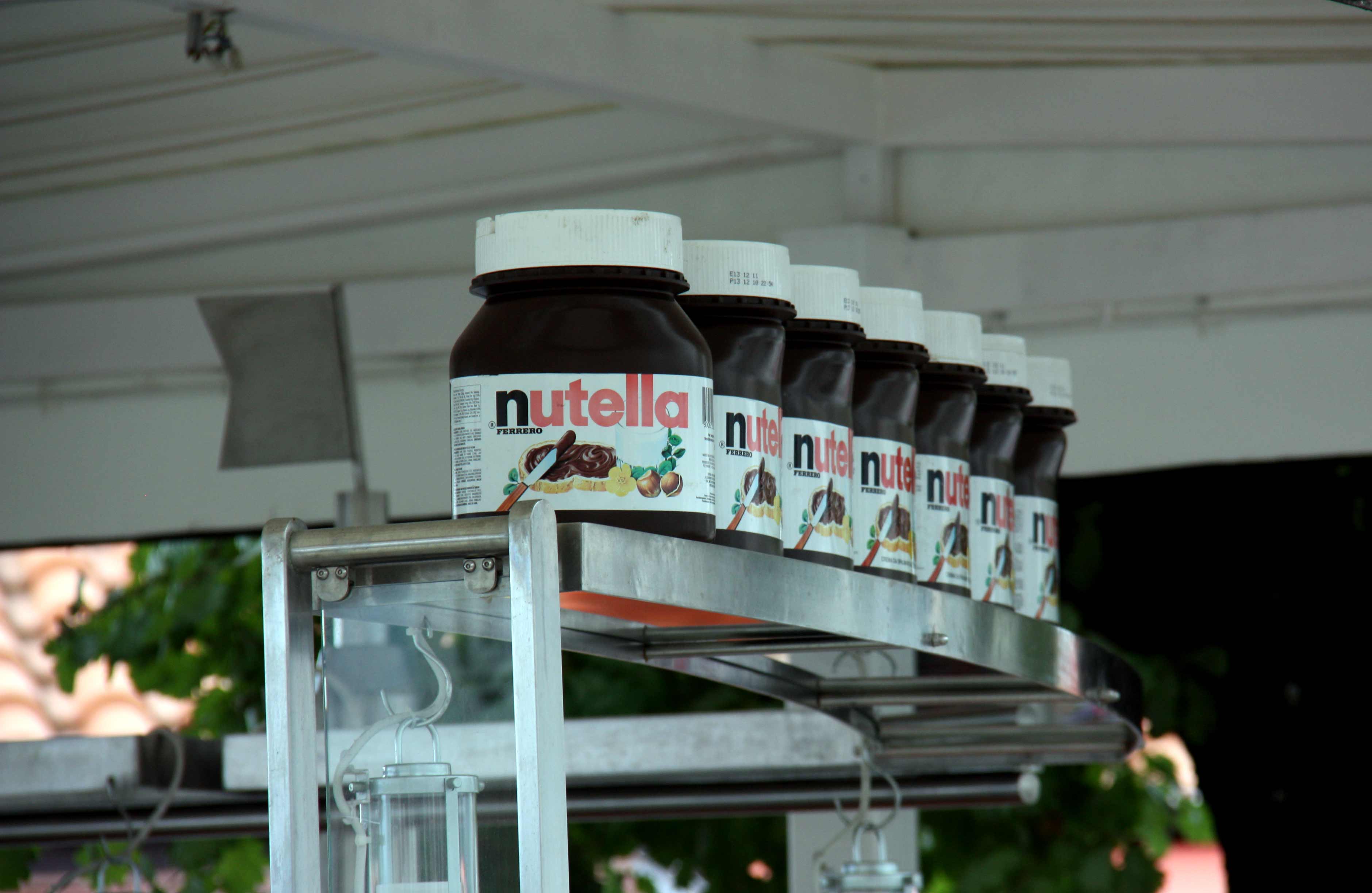 There are certain products the market calls "evergreen", because their life cycle seems inexhaustible. Among them is undoubtedly Nutella, Ferrero's famous hazelnut spread brand.
The Washington Post published an article in which the author retraces, in an entertaining and detailed account, the stages of a comparison between "imported" Nutella and the version produced across the ocean, finding endless yet apparently inexplicable differences.
In the company of the master pastry chef of a well-known Italian restaurant in Washington, the journalist opens the two jars of Nutella, immediately noticing that the texture is different: the teaspoon test is the empirical proof offered. In the version imported from Italy it stands upright; in the American/Canadian version, which is oilier, it sinks.
Comparing the products by taste, the perception is that imported Nutella has a slightly more persistent flavour, more markedly hazelnut.
And yet the data match: the ingredients are the same, the quantities of hazelnuts the same, merely expressed differently. The only differences seem attributable to the different food regulations in force in the USA and the EU.
The made-in-USA label does not show the quantity of skimmed milk and cocoa; conversely, it specifies the use of palm oil, while imported Nutella carries the more generic wording "vegetable oil".
From 1 January 2015 it will be mandatory in the EU as well to indicate which type of vegetable oil has been used. Setting aside the urban legends that cast palm oil as absolute "evil", far worse poisons are consumed daily. Constant intake certainly causes an increase in bad cholesterol compared with those who use products such as extra virgin olive oil, but the product's very low cost (see double-fractionated palm oil) makes the use of such a product competitive.
The American label prominently states "0% hydrogenated fats and trans fatty acids", since the FDA waged a battle together with the American Heart Association to counter the dietary habit of consuming products rich in hydrogenated fats and trans fatty acids, almost universally recognised as a certain cause of cardiovascular problems and conditions such as diabetes.
In the EU this obligation does not apply, and the label of Nutella imported from Italy says nothing about the presence of "trans fats".
It is well known that fat hydrogenation is a process used by the food industry precisely to achieve the desired levels of product consistency, but — according to the author of the Washington Post article — the different consistency between the two Nutellas can be traced back with certainty to many years before the restrictive legislation on the use of hydrogenated fats came into force in the USA.
So what accounts for the difference in "palatability" that everyone who has had the chance to try the two products confirms?
Apparently nothing, given that, quite rightly, those who venture into tests and judgements take care to try the products at the same temperature.
The secret remains, and the answer is probably to be sought in a cultural factor rather than an organoleptic or chemical-bromatological one.
http://www.washingtonpost.com/lifestyle/food/nutella-imported-vs-domestic-is-there-a-difference/2014/05/30/3fe79e68-e5bb-11e3-8f90-73e071f3d637_story.html