Long-lived Italians, with only Japan ahead. Credit goes to the Mediterranean diet
Published on 28/3/2013
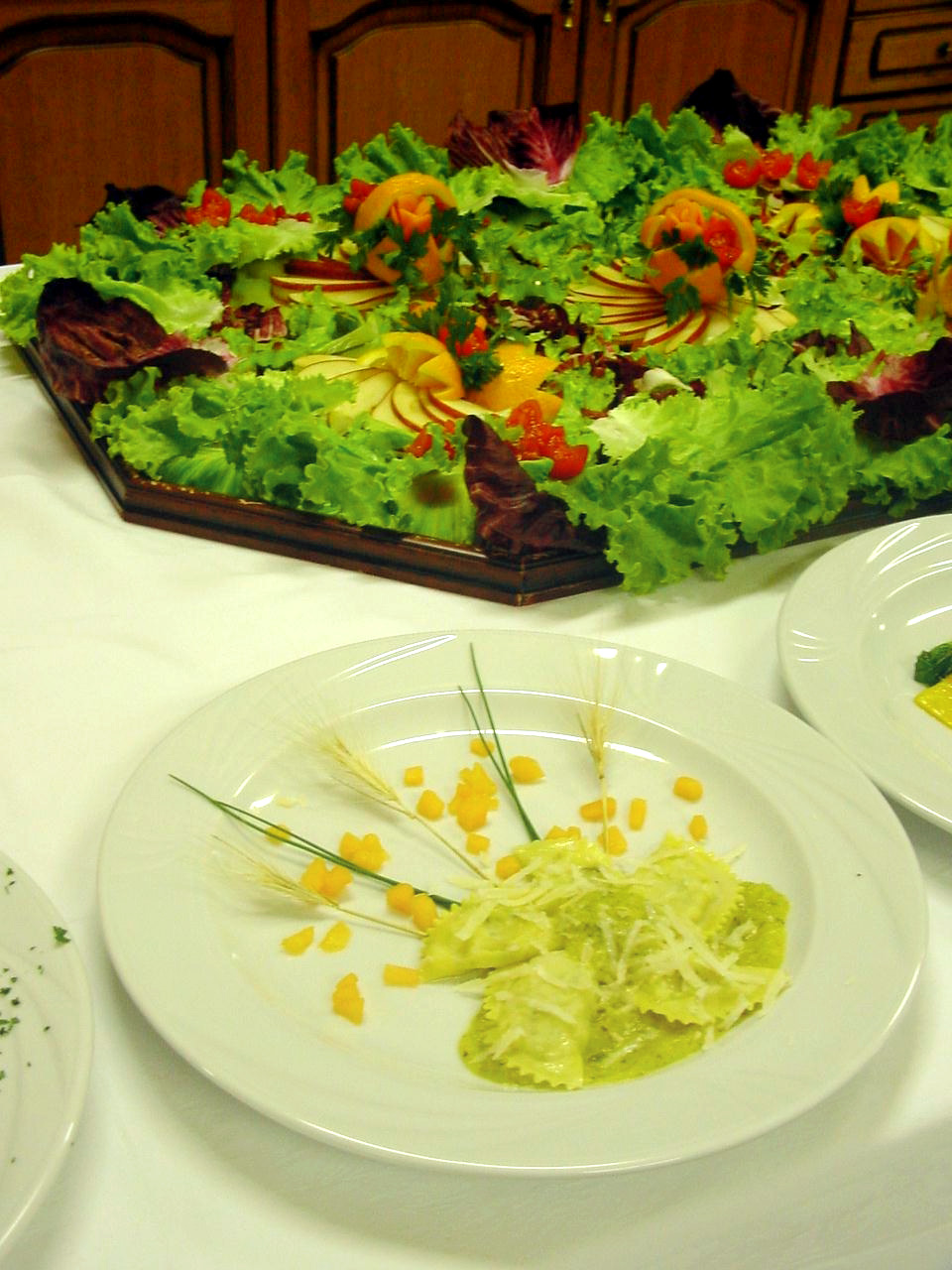 We live an average of 81 years, and only Japan, at 83, is ahead of us.
An enormous gap compared with countries such as Zambia, Sierra Leone or Afghanistan, where life expectancy hovers around 40 years, or with Swaziland, where over 50% of the population does not reach 40.
These are the figures emerging from the monumental "Global Burden of Disease", a study conducted by several American and European universities and institutes, launched in 2010 and published last December by the highly prestigious medical journal "The Lancet".
It is a sample-based study covering almost every country on the planet, no fewer than 187, examining changes in the health status of populations over the twenty years between 1990 and 2010.
Interesting findings emerge: for example, the main causes of death on the planet remain infectious diseases and malnutrition, but these have fallen considerably, dropping from a third to a quarter of all causes of death. Meanwhile, other factors are rising sharply as causes of death: smoking and unhealthy lifestyles, blood pressure and cardiovascular problems.
From the study, divided into "country profiles", some interesting factors come to light: Italians are indeed second in the life expectancy rankings, but sixth in the YLD index (years lived with disability) — in short, some are better off than us, but we are doing well.
The diseases considered potential causes of premature death are largely attributable to poor eating habits, a sign that the "Mediterranean diet", symbol of the "Bel Paese", has partly faded over the years due to socio-economic changes, even though Italians' diet has improved overall.
The British and the Americans, as numerous newspapers report (including La Repubblica and La Stampa), did not wait a minute longer and brought in the Istituto Superiore di Sanità to get to the bottom of the reasons for such a marked difference in life expectancy between Italy and their countries, given the irresponsible health behaviours of Italians, who still rank as "good drinkers and heavy smokers".
The answer seems to lie entirely in the diet, the Mediterranean one, and in the benefits it brings, but also in eating behaviours: for example, the typically Italian habit of drinking wine with meals appears far less harmful than the fashion widespread in Anglo-Saxon metropolises of "binge drinking" — drinking a lot, quickly, preferably outside meals, to liven up the evening.