Italy is drinking less: can we relax?
Published on 26/3/2014
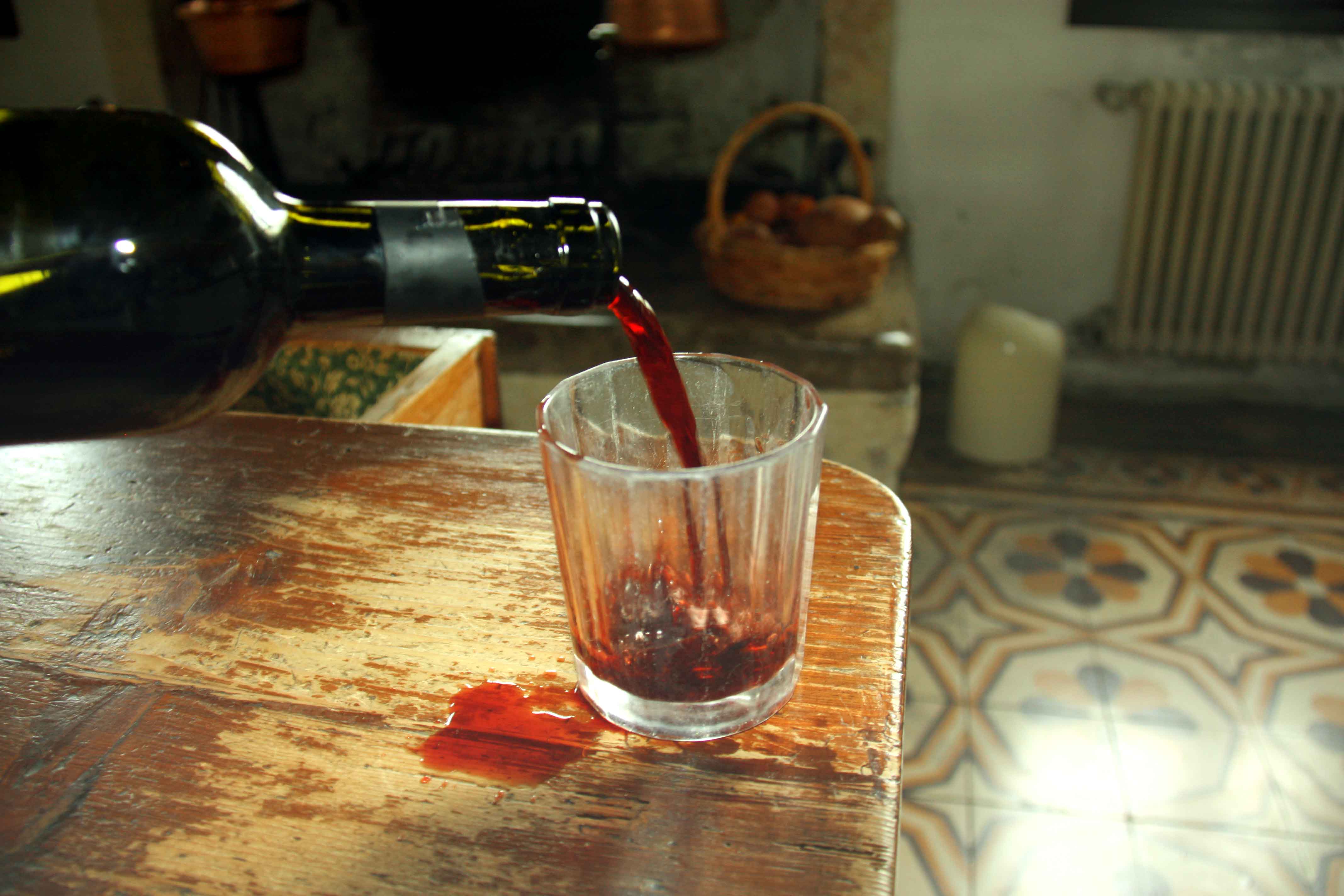
Alcohol consumption is falling, and deaths from liver cirrhosis are falling as a result. The "2013 Report to Parliament on Alcohol and Alcohol-Related Problems" seems to paint a reassuring picture, placing Italy among the lowest-ranked countries in Europe for consumption of alcoholic beverages.
2013 parliamentary report on ALCOHOL
Italy has essentially complied with WHO recommendations extremely diligently, but this reduction in overall consumption should not obscure the profound changes that have taken place in consumption patterns in recent years.
It is precisely the new models of alcohol consumption that are causing concern in the medical-scientific world, as Prof. Giovanni Addolorato of the Policlinico Gemelli seems to suggest in a recent interview published in Doctornews.
The most substantial change is a drastic drop in wine consumption during meals in favor of drinking alcoholic beverages outside meals, mainly in the evening hours, linked to leisure time during so-called "aperitivo" hours and on weekends.
This is an alignment with the custom more widespread in Anglo-Saxon culture, where alcohol consumption is concentrated mainly on weekends as a moment of "escape", with the precise goal of reaching a state of intoxication as quickly as possible.
When it comes to binge drinking — the name of this sad trend imported from abroad, literally getting "hammered", "unrestrained drinking" — Nutricity has already told you about the bad habits that statistical surveys have brought to light in recent years. Click here for a roundup of the main articles.
The age groups most at risk remain, confirming the trend already highlighted in past commentaries, the very young between 15 and 24, among whom the fashion of heavy, time-concentrated drinking outside meals appears widespread, although slightly down from what was recorded for the years 2010-2012. And alongside the very young, the elderly, over 65, among whom so-called "non-moderate" alcohol consumption still shows rather high rates.
So-called risky behaviors involve an estimated 7.5 million people, or 13.8% of the Italian population over 11 years of age.
Alcohol remains the leading cause of many diseases, including in particular alcoholic liver cirrhosis, but also a contributing cause of various other vascular, gastroenterological, neuropsychiatric, immunological and skeletal disorders, of infertility and prenatal problems, of cancer, including breast cancer, as well as of other serious events such as road accidents, homicides, suicides and accidents of various kinds.
If alcohol is not demonized in certain specific cases, it is when it comes to wine, whose consumption in moderation (max 2 glasses of red wine per day for men and 1 for women) is part of the complex system attributable to the "Mediterranean diet", where wine has its place in the moderate measure just described and exclusively within the meal and its culture.
There are epidemiological studies on this subject that would demonstrate a higher mortality risk among complete teetotalers than among moderate drinkers (according to the characteristics set out above).
Unfortunately, the data show that even as consumption falls, average consumption is increasingly linked to spirits or beer, for which no beneficial effect has been found to date — worse still outside meals.
The work that is needed, according to the data contained in the ministerial report, is once again prevention. Campaigns such as "meno alcool + gusto" no longer appear sufficient, although they must be credited with fostering the growing awareness in alcohol consumption that the statistical data seem to highlight.
New forms of regulation are needed, particularly with regard to advertising on the web and other tools that escape current legislation, and there is room for an increase in the prices of this risky "consumer good", whose proceeds could finance prevention work as well as the effective containment and recovery work carried out through local health services.