Coldiretti warning on fish imported from abroad passed off as Made in Italy
Published on 17/10/2012
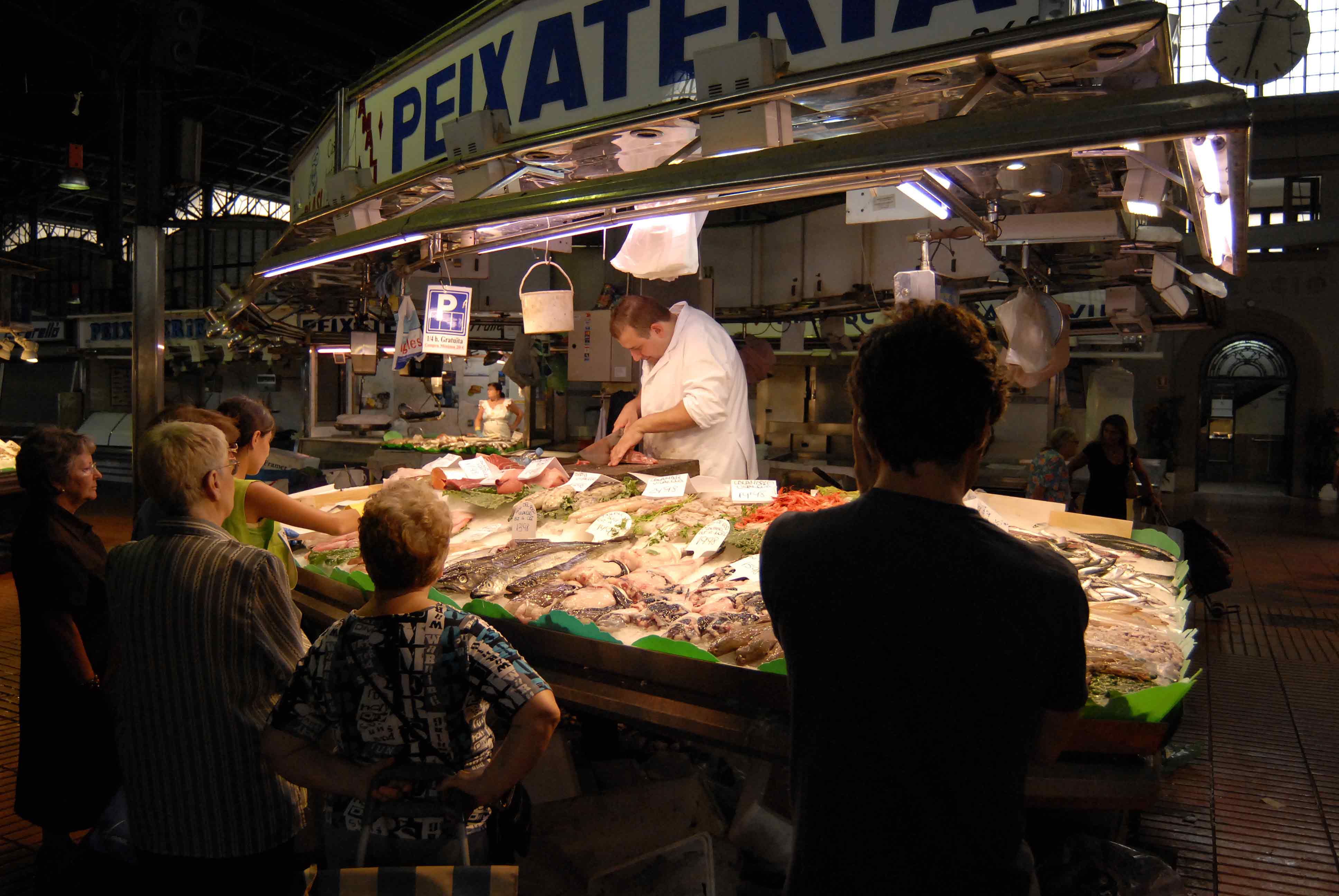 With more than two out of three fish consumed in Italy coming from abroad, there is a high risk that imported fish may be passed off as Made in Italy.
The warning comes from ImpresaPesca Coldiretti, commenting on the report by the New Economics Foundation (Nef) and Ocean2012, according to which April 21 is Italy's "fish dependence day", that is, the day on which Italy begins to depend on imports to cover its own fish requirements.
According to the report "Fish Dependence: The increasing reliance of the EU on fish from elsewhere", Italy is self-sufficient for barely 30% of the fish it consumes, compared with the 51% average of the 27 European countries.
Our country's deficit could increase further as a result of the crisis, which has led to a reduction in selling prices and an increase in production costs, about half of which is represented by diesel fuel.
Coldiretti therefore advises checking the counter for the mandatory presence of the label, which by law must state the fishing zone, and choosing "FAO zone 37" if you want to buy product caught in the Mediterranean. A precaution that unfortunately does not apply at the restaurant, where the origin of what is brought to the table does not have to be indicated by law, and there is a risk that an imported product may be passed off as Italian.
Clams—Coldiretti explains—may also come from Turkey, while shrimp, which represent almost half of the fish imported into Italy, are often labeled China, Argentina or Vietnam; and there is also Mekong pangasius sold as grouper, Atlantic halibut in place of sole, or porbeagle shark sold as swordfish. Hence the request by Coldiretti ImpresaPesca to extend the obligation to indicate origin labeling—already in force for the product bought in fishmongers' shops or directly from the producers—to restaurant menus as well. A genuine "fish card", indicating where what is brought to the table was caught.