Resveratrol: the red wine antioxidant debunked by a US study
Published on 3/11/2012
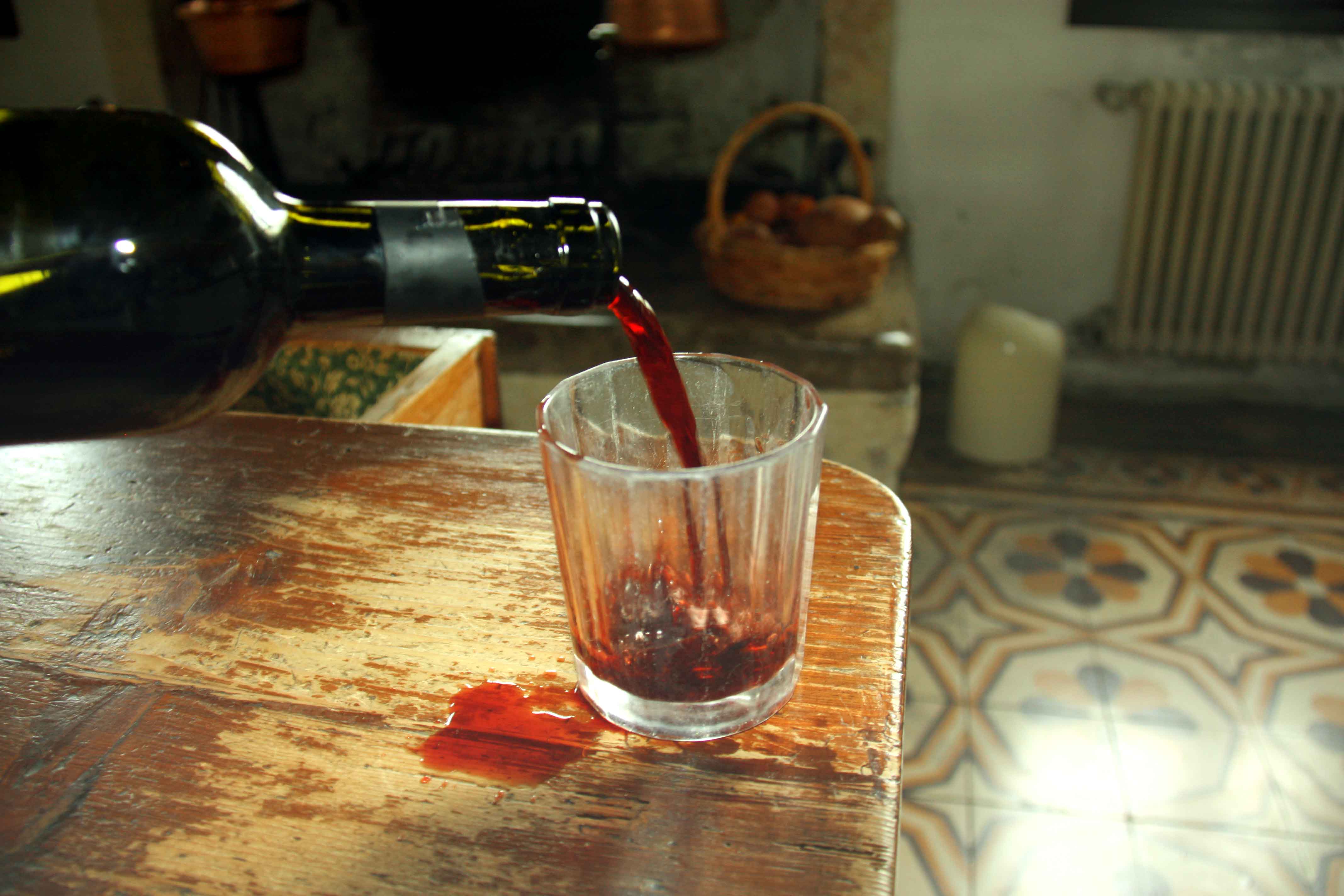 The story of resveratrol begins with the "French paradox", a study conducted several years ago on a population sample in southern France to explain the lower incidence of cardiovascular disease in that particular population.
An article published on 30 October in Il Fatto Alimentare reports on a study conducted by Washington University in St. Louis on a sample of 29 healthy postmenopausal women, who were given 75 mg of resveratrol (equivalent to 8 litres of red wine) for 3 months, while a second sample took a placebo. The comparison was reportedly carried out by measuring insulin sensitivity, but the results were said to be entirely disappointing: no clear, distinctive result between the two samples of women.
The wording used by the American scientists is, more precisely: «Resveratrol Supplementation Does Not Improve Metabolic Function in Nonobese Women with Normal Glucose Tolerance». Il Fatto Alimentare reports that «resveratrol became popular because of effects seen in animals or in vitro, but in reality there is no definitive proof that it does anything in humans. Despite this, last year in the United States sales of supplements containing this substance reached 30 million dollars, according to the explanation of Samuel Klein, director of the Washington University's Center for Human Nutrition and coordinator of the study.
The researchers therefore asked themselves: what accounts for the beneficial effects linked to moderate red wine consumption if resveratrol appears to be nothing more than a placebo? There seem to be two answers: the first hypothesis is that resveratrol, in order to act, needs some other substance present in wine that makes it active. The second is that the effective agent may not be resveratrol but some other molecule present in wine - which contains hundreds of them - that is still unknown.