When the State makes Pecorino in Romania
Published on 14/10/2012
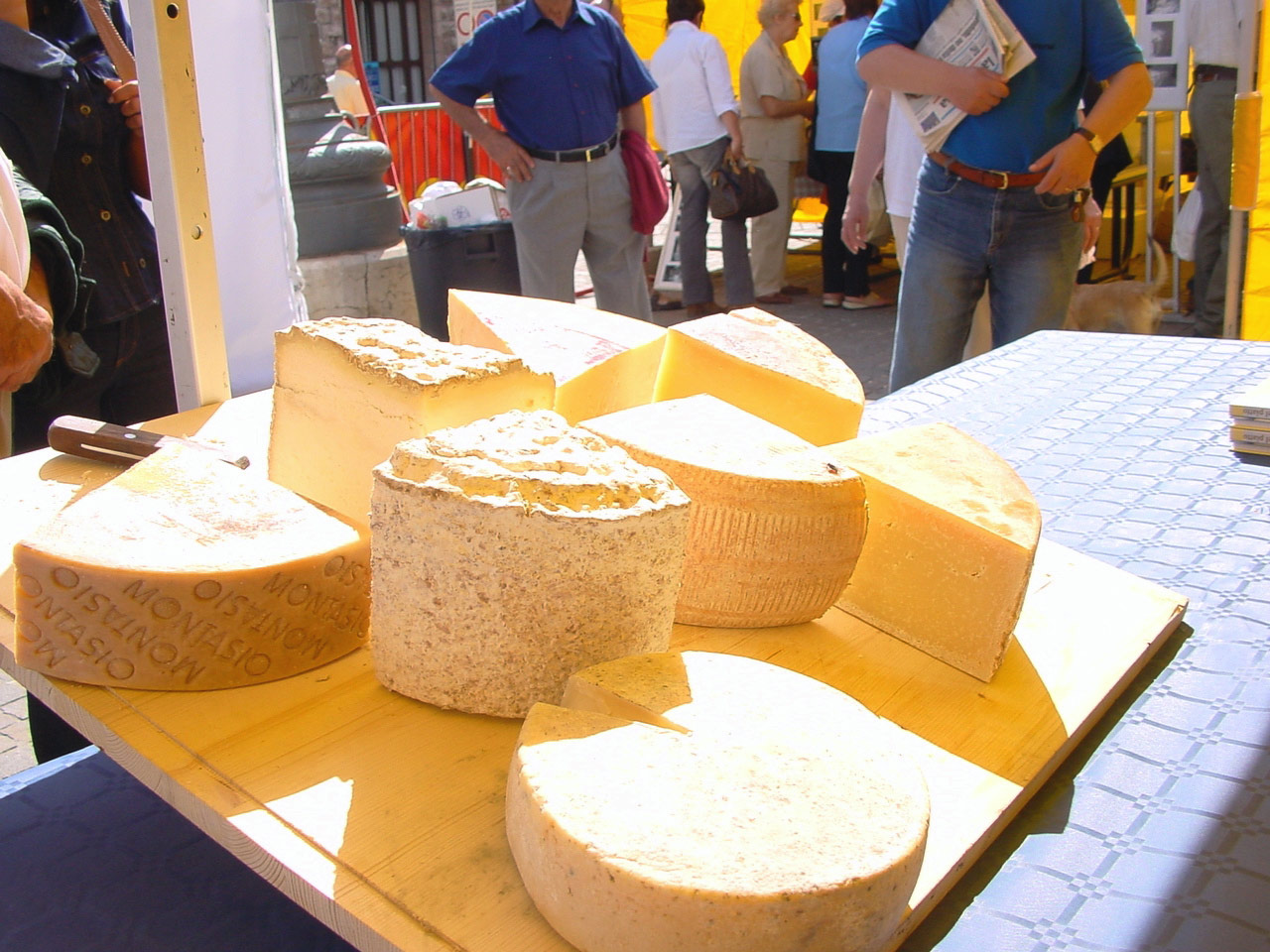 If fake made in Italy drains resources from producers and from the State coffers, the idea that the ones counterfeiting pecorino, ricotta and mozzarella—competing with the galaxy of typical Italian specialities by exploiting Italy's good name while using foreign raw materials—should be none other than the Italian State itself, together with the leading Italian producers of Pecorino sardo, raises serious questions about Italian agri-food production.
It all stems, thanks to or through the fault of Simest (the Italian government's financial company that funds the internationalisation of businesses), which together with Lactitalia, 70% owned by the Sardinian producers the Pinna brothers, has used milk from Hungary and Romania to produce cheeses typical of the "Italian tradition".
"For you we have woven Romanian milk together with Italian tradition and technology", reads the Lactitalia website. "From this combination we have made what we do best: cheeses with passion".
All products that are then marketed in the US and EU markets under the Dolce Vita brand (it doesn't get more Italian sounding than that!) and in Romania by the company Gura de Rai.
This poses a dilemma, comments Il Corriere della Sera: embrace Coldiretti's hard line in defence of all typical specialities, even those not protected by the PDO and PGI marks? Or the softer line of Confagricoltura (defending only the recognised crème of typical products)?
The apt closing comment: in the end, a more talkative label on traceability would suffice, giving consumers the chance to have the last word, choosing a product also on the basis of the origin of its raw materials.
Article Source: Corriere della Sera