The nutritionally perfect pizza: now it exists
Published on 6/11/2013
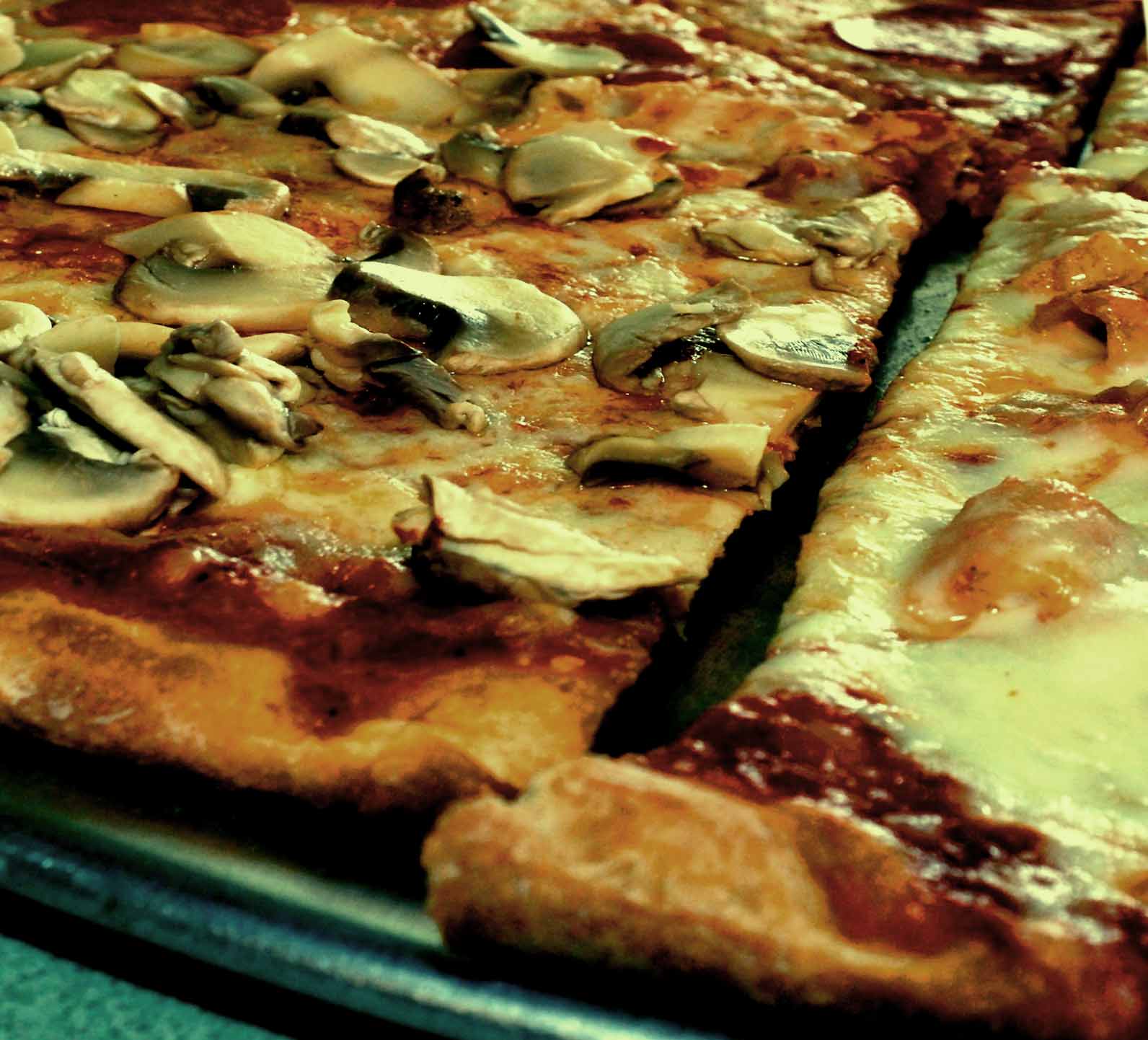 It's easy to say Pizza. Bread, tomato and cheese, traditionally with the addition of some vegetables. And so pizza becomes a "healthy dish", low in fat and capable of replacing a portion of vegetables.
But then it turns out that, to be so attractive and "palatable", pizza hides its flaws: frequently too much cheese and too much salt.
A recent study conducted by a team from the University of Glasgow reportedly showed that of 25 commercially available pizzas tested (off-the-shelf products from large retail chains), not one proved to be a nutritionally balanced product.
Almost always below the standards for the recommended calorie intake of a single meal, and lacking in valuable essential elements such as iron, zinc and vitamins, commercially available pizzas (UK) exceed the recommended per-meal intake of sodium and saturated fat by an average of 30%.
So does a "perfect" pizza not exist? The answer lies in the results of the British research. A perfectly balanced pizza can be made, and it must deliver the roughly 600 Kcal recommended for a single meal, not exceed the threshold of 470 mg of sodium, not exceed the threshold of 11% saturated fat out of the whole dish, and guarantee a minimum amount of fibre in the order of 13.7 g.
If you are wondering which pizza could meet these criteria, the researchers already seem to have the answer: the "margherita", provided, however, that the "traditional recipe" is respected and "natural" ingredients are used, described as follows: leavened white and wholemeal wheat flour (preferably naturally leavened), salt, rapeseed oil, seaweed, red peppers, peeled and cherry tomatoes, garlic powder, oregano and "mozzarella cheese".
Not exactly the idea of a margherita pizza we have in Italy, in short...
And for such a "healthy and wholesome" product, the typical customer would reportedly be willing to pay up to 10% more than for commercial products.
Source Article