Counterfeiting spares neither food nor pharmaceuticals
Published on 11/2/2013
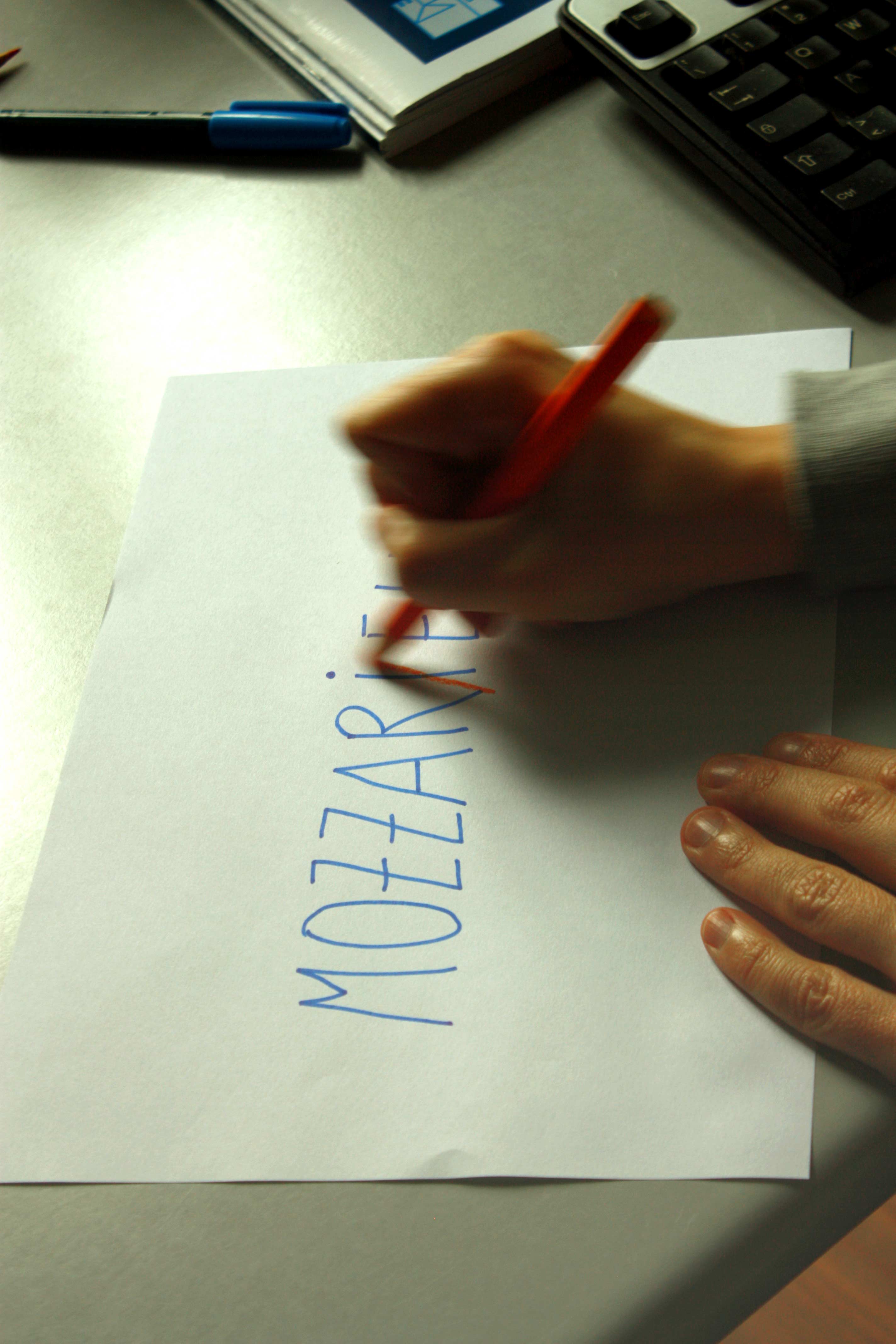 An investigation published by Repubblica.it, which we present again here, systematically addresses the problem of counterfeiting — in food and pharmaceuticals, the areas of most specific interest to us.
There is "Italian sounding", that is, the cunning of foreign producers who seek to "give their products a deceptive pedigree".
The list of products seems endless: from Portuguese Parmesao to Grana Parrano, by way of Real Asiago Cheese produced in Wisconsin, all the way to Romanian Salam Napoli or American Daniele Sopressata. Their labels generally carry stylized photos of Italy's beauties: from Vesuvius to the Colosseum to Milan's Duomo.
Dairy products appear to be counterfeiters' favorite targets, as Ambrosi, national president of Assolatte, points out. Above all, mozzarella appears to be the product of choice for small-scale food fraud: unlike other dairy products, mozzarella cannot be branded on its surface, and it has not been possible to register its name as a trademark, so products sold under the name mozzarella may share that cheese's production method while their origin may well be entirely unknown.
Another great "fake" is the tomato: this mainly concerns tomato concentrates, where producing the canned product (1 kg) requires at least 7 kg of raw product. With ordinary passata the phenomenon occurs with less intensity, because transport costs make it unprofitable to import the "counterfeit" product, which is nonetheless found in the rock-bottom-priced low-end products stocked by hyperdiscount stores.
This is not a phenomenon confined to the poorest or least regulated countries, where controls are lacking. Just consider the example of the USA, where the Italian Sounding phenomenon accounts for a production market worth 20 billion euros a year, against exports of Italian products worth 2 billion.
It is alarming that the phenomenon now extends well beyond the world of food production and has profitably reached the pharmaceutical sector. According to the US Food&Drugs Administration, over 10% of the world drug market now involves counterfeit products.
And it is no longer limited to "counterfeiting" dietary supplements and drugs for impotence: counterfeiting has reached experimental and research drugs used in cancer therapies (casodex for prostate cancer, or Gleevec, an anti-leukemia drug produced by Novartis).