The apple diet: the deception in the tale of a fruit
Published on 13/11/2013
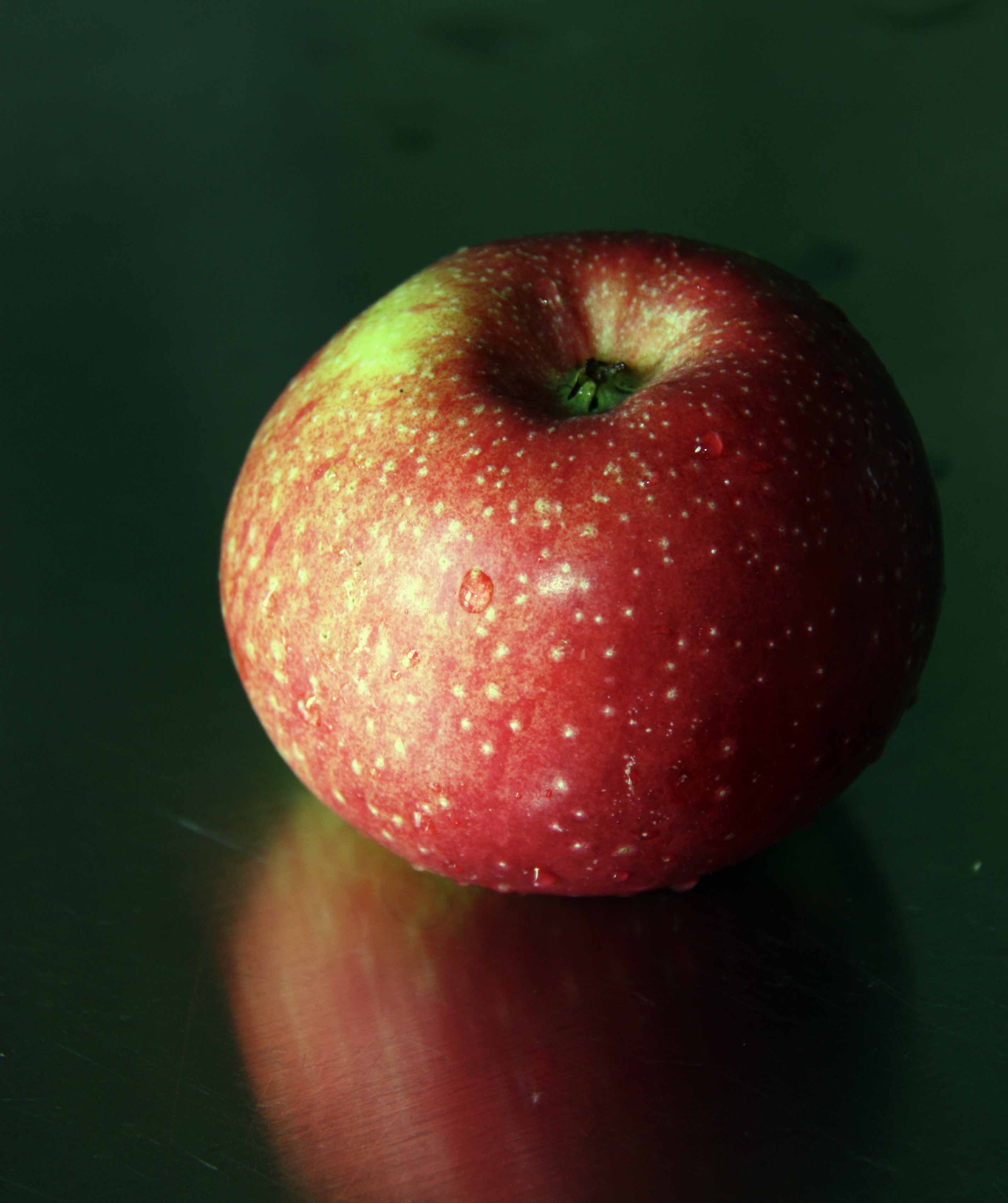
The apple has evidently always stirred the human imagination, from the biblical apple of Eve, to Newton's apple, all the way to the most popular sayings such as "an apple a day...". And it is precisely on this point that we wish to dwell.
The "apple a day..." has taken on the contours of the opening of a magic spell straight out of an episode of the Harry Potter saga: to complete the enchantment all you need do is add an ending of your choosing. Recently the idea that it "keeps the doctor away" seems to be fading somewhat in favour of a magical power when it comes to obesity and excess weight.
THE MAGIC FORMULA
According to what can be read in many quarters, it would seem that a diet based on the (rather abundant) consumption of apples works miracles when it comes to weight loss. The magic would be the fruit of the richness in fibre, vitamin C and minerals that make it "the fruit favoured by dieticians and nutritionists", capable of satisfying the fiercest hunger with just 50-60 calories per 100g of fruit.
The mantra continues with ritual formulas: an "important purifying function" that combats water retention, the presence of precious substances that help to "detoxify the body and stimulate digestion".
The ritual to follow would be rather elementary: 3 days of "all apple", about 3kg/day, also cooked and in juices (but without preservatives), together with a high amount of liquids such as water, tea and herbal teas.
The typical day laid out for the initiate to the rite therefore involves "Breakfast: a herbal tea (or a tea) and two yellow apples (which give more energy to face the day). Snack: a nice red apple (ideal for recovering energy). Lunch: 3 apples (one red, one yellow and one green) and a herbal tea. Afternoon snack: a glass of apple juice. Dinner: 3 cooked apples (the Renette apple variety is the most suitable for cooking)".
Precautions for use, with the flavour of the disclaimer present in every good commercial contract. By eating apples one would drastically give up proteins and carbohydrates and this could be clearly reflected in digestive function; therefore do not eat fatty foods as soon as the harsh "all apple" cycle is over and -if we really must say it- it is better to consult your doctor before independently undertaking the path towards liberation from those extra kilos.
MANY RESULTS AND LITTLE EFFORT, THE NEMESIS OF PINOCCHIO
First of all the results : 1 kg less in 3 days means nothing. Variations in weight are -in the collective imagination- attributed entirely to fat mass, that is, it is assumed that when an individual gains weight they are "getting fat" and vice versa. Instead, the most rapid and easily obtained variations are recorded in body fluids, and the theoretical state of hydration is in reality a very dynamic parameter. Women who in the premenstrual phase can gain even more than a kilo in 1-2 days know this well.
Then the contents : eating apples -according to this incredible alchemy- means giving up carbohydrates. Nothing could be more macroscopically wrong: apples contain many simple carbohydrates (mainly fructose), which are completely assimilable, and non-digestible carbohydrates included under the term fibre in an average amount of 10 g per 100 g of fruit.
An average fruit weighs 200 g for a total of 20 g, that is 80-100 Kcal. The suggested diet involves 10 apples a day for a total of 800 - 1000 Kcal determined almost entirely by carbohydrates (proteins 2-3 g for a total of 8-12 protein Kcal and fats 1 g for a total of 9 Kcal). This is three days of an LDL (low calorie diet) that is extremely unbalanced and lacking in many nutritional principles (it is believed, in fact, that balanced diets below 1100 Kcal are already in themselves deficient) with an insignificant weight benefit that cannot be attributed with certainty to a loss of fat mass which -indeed- appears rather improbable.
The suggestions for digestive problems, then, take into consideration hypothetical gastric dysfunctions, demonstrating a total ignorance of the digestive physiology of the human body and, above all, failing to highlight the possible side effects of abdominal gas that can arise with the intake of significant amounts of fibre and fructose (also due to the possible maldigestion of this monosaccharide, which has a limited intestinal transport).
Rereading these formularies of nutritional magic, we understand how sensationalist messages, catchy names with a natural touch, are the instrument for conveying disinformation that is dangerously widespread in the nutritional and food field, which leads to results that are very rarely "magical", but rather embarrassing through ignorance and superficiality.
The Scientific Committee of Nutricity