Beef consumption embraced by 88% of Italians
Published on 22/10/2012
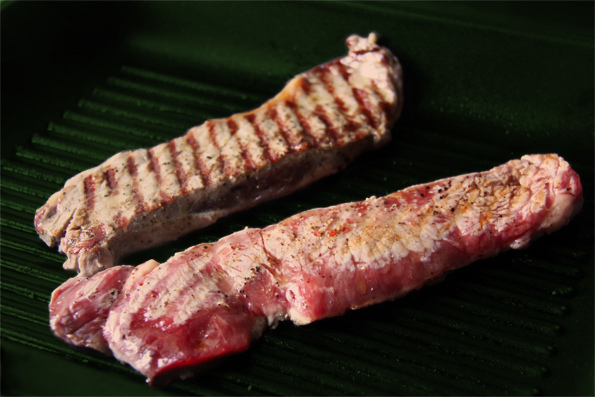 Eighty-eight percent of Italians turn out to eat beef, with a slight dip in consumption compared with 2005, when widespread consumption was recorded among 93% of the population. That amounts to over 400 thousand tonnes a year, making Italy the EU's number one importer of beef.
Meat consumption habits in Italy were at the centre of a discussion held in Milan, from which it emerged that meat is perceived as a tasty and versatile food credited with high nutritional value, despite some critical issues linked to its limited appeal among younger and older consumers and to a price that remains high when it comes to modern cuts.
In general, moreover, there emerges - with particular regard to the British case, whose meat was readmitted to the market only after 2006 following the BSE scandal - a broad and generalised trust in foreign beef, due in good measure to growing confidence in the checks carried out by the competent authorities and in their effectiveness.
There is also growing attention to the product's country of origin, which is seen as playing the essential role of "guarantor of health inspections" for meat safety.
Fears over "mad cow" disease, which peaked between the end of the 1990s and the early 2000s, seem to be fading thanks to the reassurance offered by a system of controls considered sufficiently effective. Concerns are instead shifting to products coming from Eastern European countries and from China.
It is interesting to examine the breakdown of consumption in detail: single-parent households (77%) and low-income households (83%) are the two sub-groups where beef consumption is lower than the national average (88%). Young adults aged 15-34 also contribute to this slight slowdown in consumption (84% vs. 88%).
Almost half of Italians (47%) say they now eat a smaller quantity of meat than they did 2-3 years ago. This figure, moreover, is still rising, as already observed 7 years ago (1999: 36% - 2005: 33%). The downward trend in beef consumption in Italy is therefore confirmed.
Women (55%) and adults over 55 (57%) are the two sub-groups where this tendency to buy less beef is most pronounced.
To date, only 7% of respondents report higher meat consumption (with a negative balance of -40% between increases and decreases), while 39% report stable consumption (i.e. equal to that of 2-3 years ago).
So, against the solidity of the group of those who say they eat more meat, there is a "shift" from the group of those who previously reported stable consumption to the group of those who now say they have reduced it.
Among the most decisive factors in buying meat: the country of origin (26%) and trust in the place of purchase (19%). Naturally, these three aspects are linked to one another. Those who trust the point of sale also believe the retailer knows how to select the best / safest meat; those who pay attention to the country of origin also believe it is the latter that guarantees the quality / safety of the meat (type of pastures, legislation, health inspections, etc.).
Article source: italiaatavola.it