2017, the year of the drug boom
Published on 24/4/2014
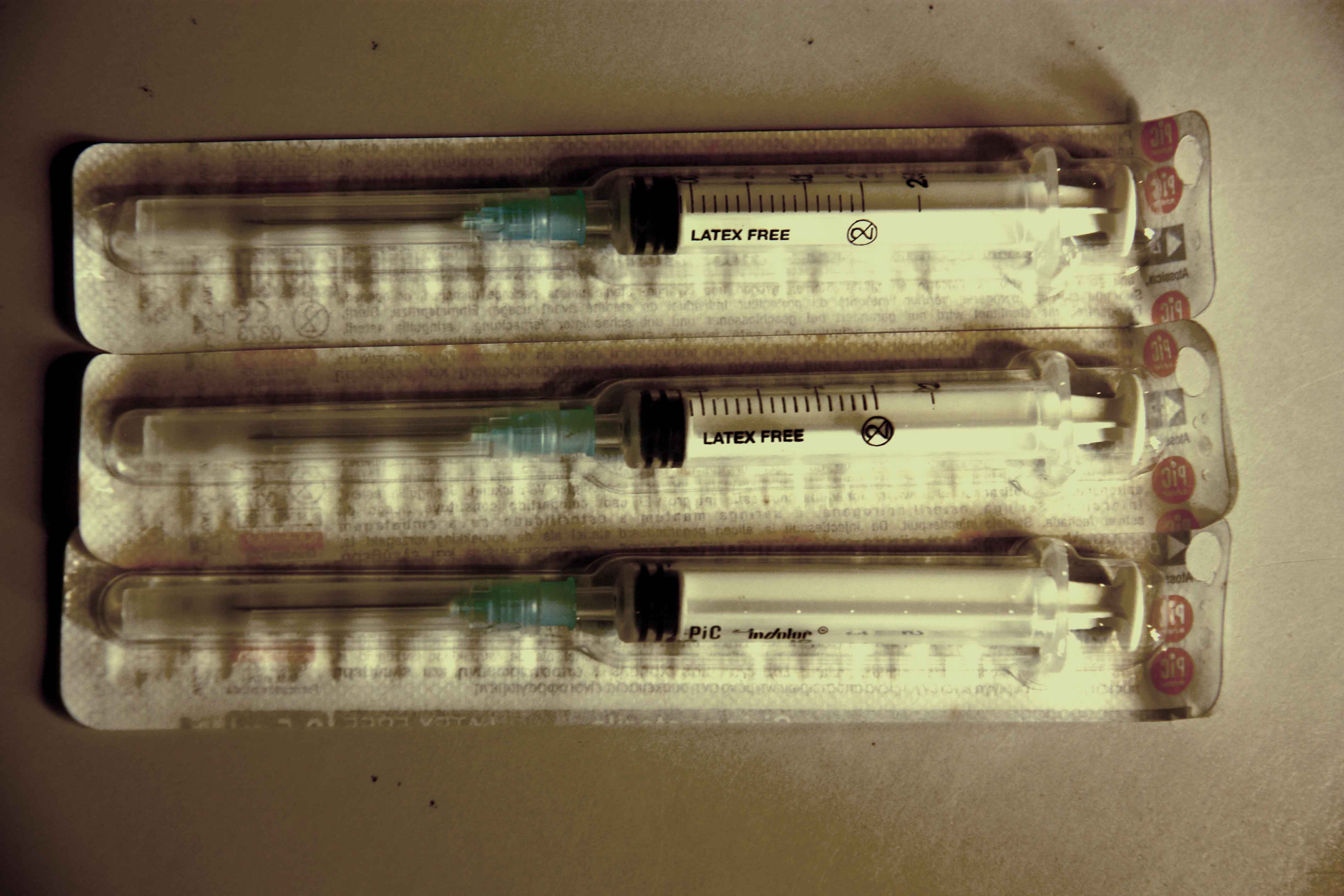 The year 2017: IMS Health claims it will be the boom year for drug sales (Global use of medicines, outlook forecast 2017).
The leading players will be those countries defined as "pharm-emerging", among which China, Russia, India, Turkey and Mexico stand out. Production in these countries is expected to grow at rates of around 12-15% over the next 3 years.
The market of the so-called pharma-emerging countries can be expected to grow from the current 26 billion dollars up to 50 billion by 2017. The contributing factors are, on the one hand, the continued growth of the "generics" market that forms the backbone of the pharmacopoeia in emerging countries, and the progressive evolution of healthcare and welfare systems that go hand in hand with the economic development that characterizes those countries. On the one hand, therefore, the growth of a valid and scientifically sound supply on the market, which will be supported by growing internal demand, fostered by the strong economic momentum of the emerging countries.
The emerging countries will come to hold a market share close to an absolute majority (48%), while the US will see a substantial decline, stabilizing at a market slice of around 31%. Those who will come out defeated from this "race for drugs" will be the European countries, together with Japan, penalized by markets with no possibility of expansion and paralyzed by unsustainable costs for maintaining public healthcare systems.
The reliability of these estimates, as always, is contingent on the occurrence of a very wide set of conditions and variables that are difficult to determine with certainty. They are equally to be considered extremely interesting for the macro-economic trend profile they highlight.
There is the concrete possibility that India, today defined by many as the "pharmacy of the world" as a supplier of "drug-equivalents" to all developing countries — a segment that guarantees it market growth, driven by exports at a rate of 24% per year. However, tensions over the harmonization of control and development procedures at the WHO and WTO (the confrontation with Big Pharma) risk undermining the foundations of Indian development, still far from the rigor of FDA and EMA protocols and procedural standards.
A doubt also characterizes the projection relating to the US, where the statistics take into account the reform proposed by the American Government, "Obama-care", estimating with relative certainty an at least partial approval of the reform that should push private healthcare spending up by a further 460 million dollars.
Extremely interesting, on the other hand, is the segment of so-called "biological drugs", considered in the outlook in question to be the driver of the future market. Characterized by high production costs and rather high final prices, they present a considerable competitive advantage in a market that the estimates reveal to be increasingly competitive and based on competition among "generics". "Biologics" enjoy particular protections regarding intellectual property, and their translation into generics is complex.